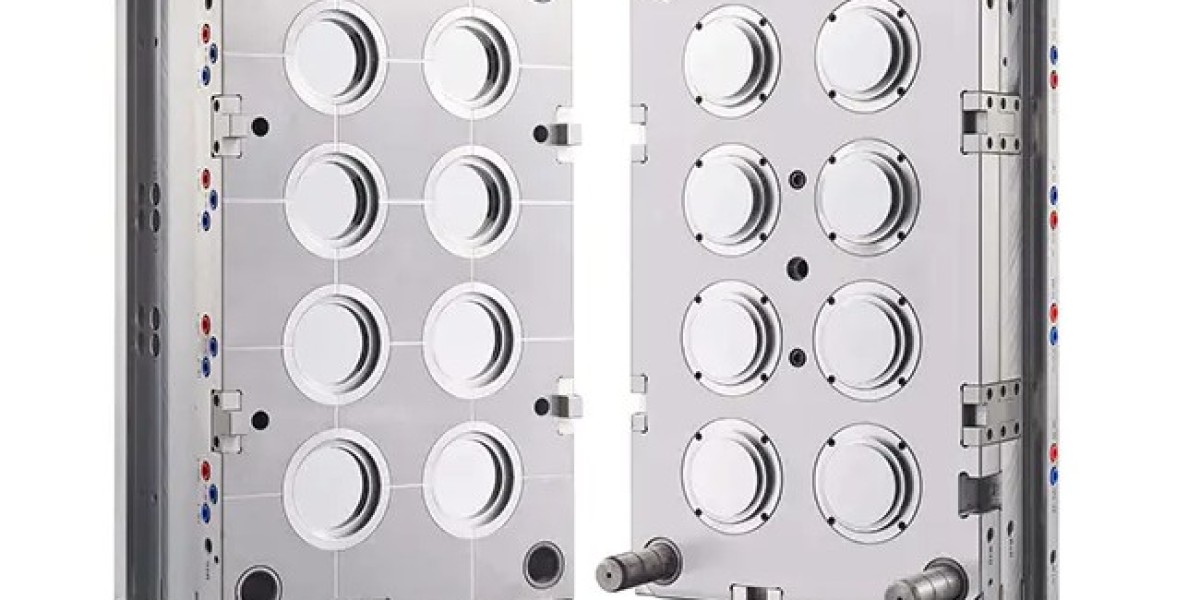

Behind every plastic syringe, IV connector, surgical instrument handle, and diagnostic cartridge is a medical mold that shaped it. These tools operate largely out of sight, buried inside injection molding machines in controlled manufacturing environments, yet the precision they deliver directly influences the safety and reliability of the medical devices that clinicians and patients depend on every day.
Surface finish quality carries functional significance in medical mold manufacturing that extends beyond appearance. Cavity surfaces polished to mirror standards reduce ejection force on thin-walled medical components and minimize the risk of surface defects that could harbor microbial contamination or cause stress concentrations in structural parts. Textured surfaces, where required for grip or aesthetic reasons on device housings, must be applied with controlled depth and pattern consistency across all cavities.
Validation is the process that formally establishes a medical mold's fitness for production. Installation qualification, operational qualification, and performance qualification — the IQ/OQ/PQ framework central to medical device manufacturing under ISO 13485 and FDA quality system regulations — document that the mold performs as intended across its defined operating parameters. This validation documentation becomes part of the device manufacturer's technical file, available for regulatory audit throughout the product's commercial life. A medical mold that cannot be validated is a mold that cannot contribute to a compliant medical device manufacturing process, regardless of how precisely it was machined.