
Walk through any grocery store and the sheer variety of food packaging bags on display tells a quiet story about modern food science, material engineering, and consumer behavior. Bags holding coffee beans, dried pasta, frozen vegetables, snack foods, and fresh produce all look deceptively similar from a distance, but each has been engineered with a specific set of performance requirements in mind. Understanding what goes into a well-designed food packaging bag reveals how much thought stands between your food and the conditions that would otherwise degrade it.
The primary function of any food packaging bag is barrier protection — preventing the exchange of moisture, oxygen, light, and odor between the bag's contents and the external environment. Different food products require different barrier profiles. Coffee demands extremely low oxygen transmission to prevent oxidation of aromatic compounds, making multi-layer laminate bags with aluminum foil or metallized film layers the standard choice. Snack foods high in fat content require moisture and oxygen barriers to delay rancidity. Fresh produce, by contrast, often needs controlled atmosphere packaging with specific oxygen and carbon dioxide transmission rates that maintain the respiration balance keeping vegetables and fruits alive and crisp during distribution.
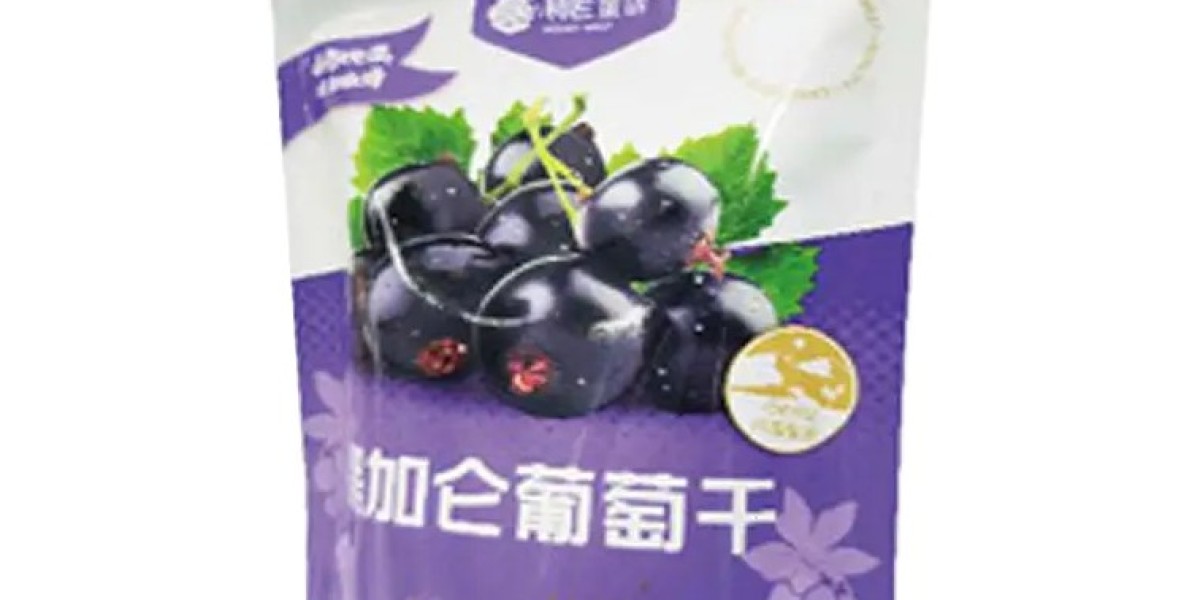
Printed decoration on food packaging bags carries both commercial and regulatory weight. High-resolution flexographic and rotogravure printing delivers brand graphics, product photography, and nutritional labeling with the color accuracy and consistency that retail environments demand. Food contact regulations in most markets require that inks used on the inner surface or in contact with food contents meet specific migration limits, ensuring that printing compounds do not transfer into the food at levels that pose health concerns. A food packaging bag that combines technical barrier performance with compelling visual presentation is one that works equally hard in the warehouse and on the retail shelf.