
The expansion of modern infrastructure relies heavily on the quality of joining materials used in daily fabrication. As industries shift toward lighter and more resilient structures to improve energy efficiency, the demand for specialized consumables has surged. Within this evolving market, Aluminum Welding Wire Manufacturers provide the essential filler metals necessary for creating durable bonds in everything from transport vehicles to renewable energy frameworks. These materials are not merely accessories but are the foundational elements that determine the safety and longevity of a finished structure.
Aluminum possesses unique physical properties that distinguish it from other common metals. Its high thermal conductivity and low melting point require a precise approach to thermal management. When the metal is heated, it dissipates energy rapidly, making it difficult to maintain a stable molten puddle without the right supplies. A high quality wire acts as a stabilizing agent, ensuring that the filler integrates smoothly with the base alloy. This consistency is vital for preventing structural failures that could arise from improper fusion or inconsistent bead profiles.
Maintaining a reliable production line starts with a rigorous inspection of the incoming supply. Even the most skilled technician can struggle if the material itself is flawed. One primary sign of a quality issue is the presence of surface contaminants. Because aluminum is highly reactive, any trace of oil, moisture, or heavy oxidation on the wire surface can lead to significant internal defects. If the wire appears dull, spotted, or greasy, it may cause porosity, which manifests as tiny gas pockets within the joint. These hidden voids weaken the connection and can lead to cracking under mechanical stress.
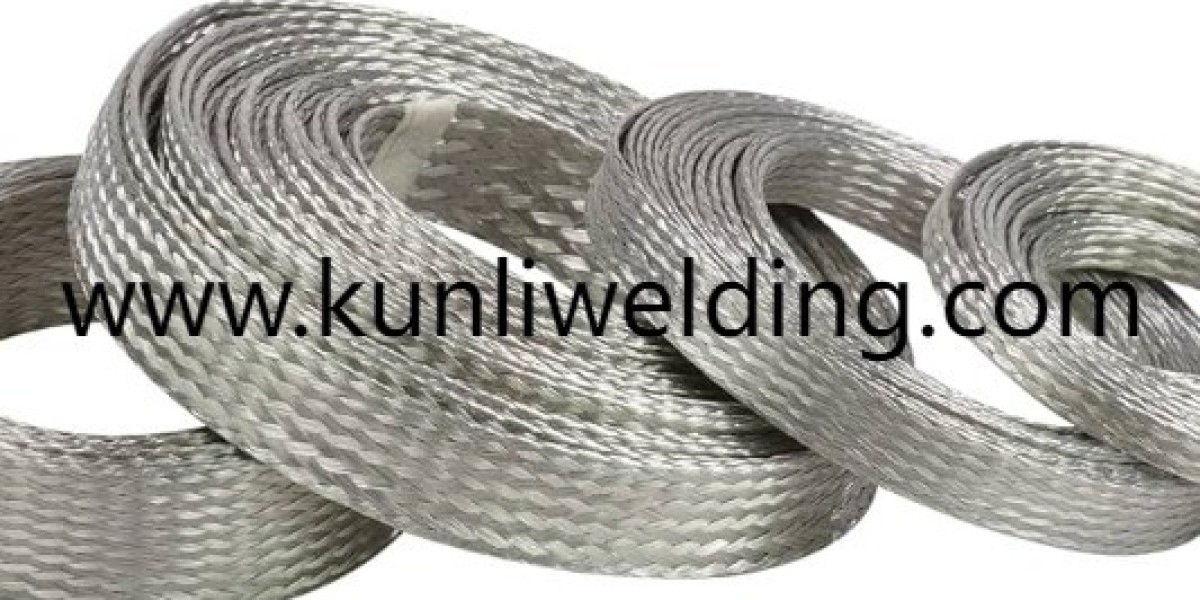
Another critical factor is the geometric stability of the wire. Professional Aluminum Welding Wire Manufacturers utilize advanced drawing processes to ensure a consistent diameter and a smooth finish across every meter of the spool. If the wire diameter varies even slightly, it can lead to feeding issues within the torch. This often results in a jagged arc or bird nesting, where the wire tangles inside the drive rolls. Such interruptions not only decrease productivity but also create inconsistent heat input, which further compromises the metallurgical integrity of the work.
Proper storage and handling play a significant role in preserving the condition of the material. Since aluminum is sensitive to environmental factors, it should always be kept in a dry, temperature controlled area. Spools that have been exposed to humidity may develop a thick oxide layer that interferes with the electrical conductivity of the arc. Technicians should inspect the packaging for any signs of damage before use. A sealed, airtight container is often the first line of defense against the atmospheric moisture that causes hydrogen induced porosity during the melting process.
The chemical composition of the alloy must also match the specific requirements of the project. Using a wire with the wrong balance of elements like magnesium or silicon can lead to hot cracking, where the joint separates as it cools. Identifying these issues early requires a commitment to testing and verification. By conducting a simple bend test or a visual inspection of a sample bead, operators can confirm that the material behaves as expected. This proactive approach ensures that the finished product meets the necessary industrial standards for strength and ductility.
Sustainability and efficiency are now central pillars of contemporary industrial design. Aluminum is prized for its ability to be recycled repeatedly without losing its primary characteristics. When paired with high performance consumables, the resulting structures are both efficient and long lasting. Reducing waste by avoiding rework is a priority for modern workshops, and using a wire that produces minimal residue contributes to a cleaner working environment. This alignment with resource conservation makes verified materials a preferred choice for future focused construction.
Choosing a partner that emphasizes quality control ensures that every project begins with a solid foundation. Reliability in the supply chain means that specialized components are available when they are needed most, allowing for seamless transitions between different stages of fabrication. By focusing on the mechanical properties and the ease of use of these wires, fabricators can enhance their output and deliver results that stand the test of time. You can explore a wide selection of professional grade materials and find the right fit for your specific needs by visiting https://www.kunliwelding.com/product/ where a range of industrial solutions is designed to support your craftsmanship and project success through verified material standards.