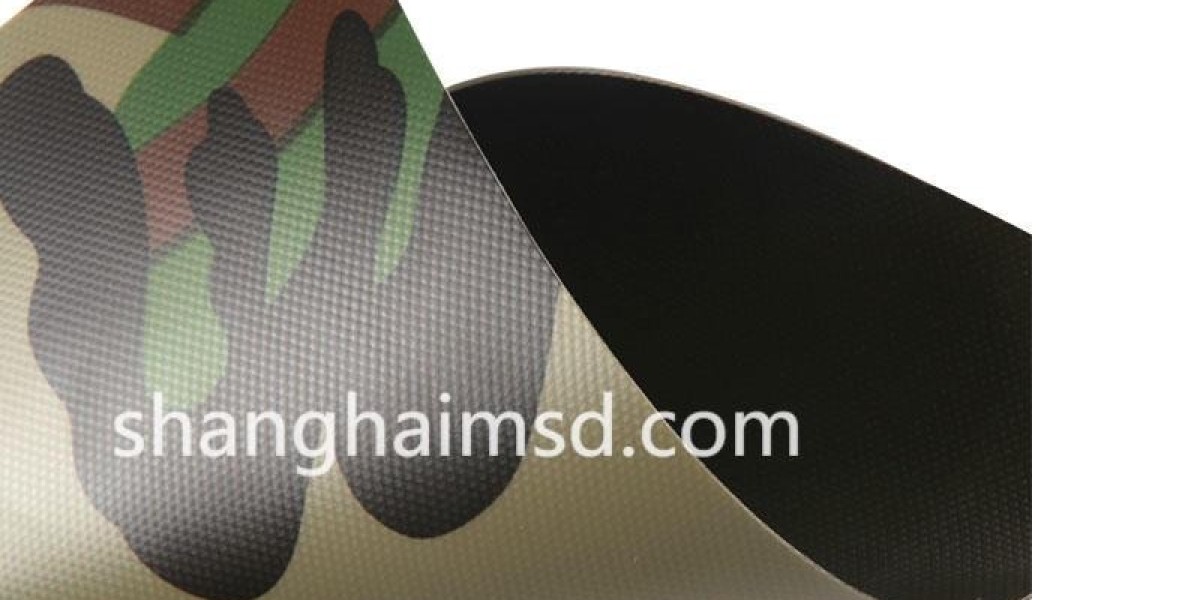

In applications where airtightness, flexibility, and durability are essential, selecting the right material can determine the performance and longevity of inflatable structures. PVC Inflatable Fabric has emerged as a trusted solution, combining high-strength textile reinforcement with a robust PVC coating. Shanghai MSD International Trade Co., Ltd. supplies this material for a range of uses, from recreational inflatables to industrial air-supported structures, where both mechanical reliability and environmental resistance are crucial.
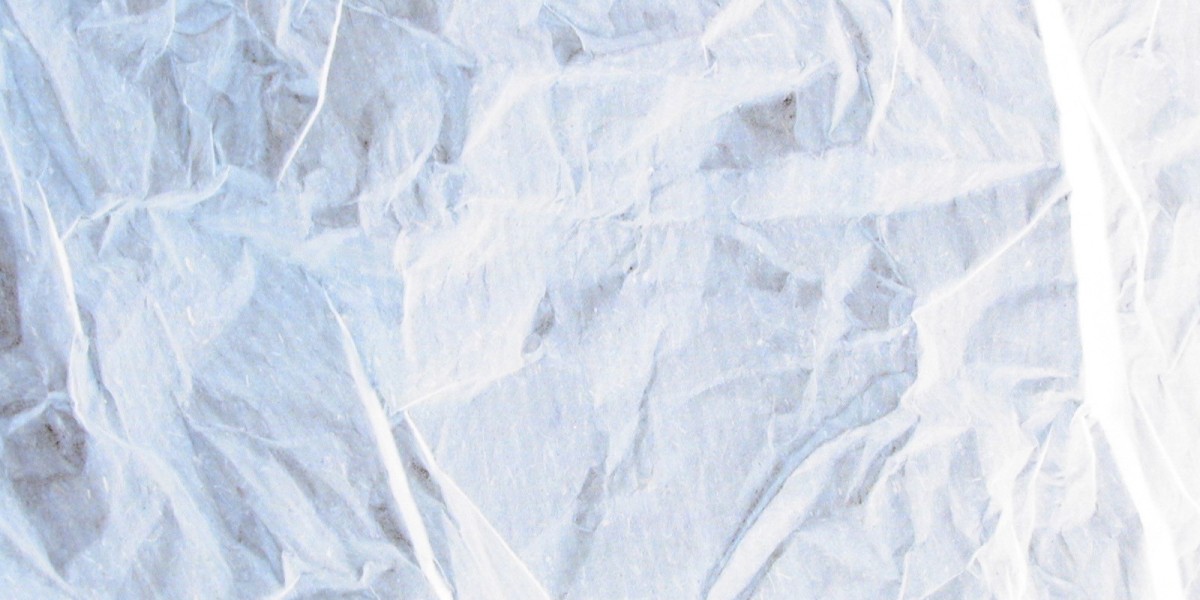
PVC inflatable fabric is engineered as a composite material, featuring a woven polyester base that provides tensile strength, dimensional stability, and resistance to punctures. A PVC coating is applied to one or both sides of the fabric, creating an airtight, water-resistant, and UV-protective surface. The coating thickness and formulation can be adjusted according to specific application needs, allowing the material to function in lightweight recreational products as well as heavy-duty industrial inflatables. The synergy between the textile base and PVC layer ensures that the fabric maintains flexibility while enduring internal pressure and mechanical stress.
The manufacturing process of PVC inflatable fabric involves precision coating and lamination techniques. Knife-over-roll or reverse-roll coating methods ensure a uniform application of PVC onto the textile substrate. In some cases, double-sided coating enhances durability and sealing performance. Calendaring and heat curing improve surface smoothness, adhesion, and dimensional stability. Specialized surface treatments, such as anti-abrasion finishes or textured embossing, provide additional resistance against wear and improve handling characteristics. The controlled production process guarantees consistent quality and long-term performance.
Material formulation is key to achieving the desired properties in PVC inflatable fabric. Plasticizers impart elasticity, allowing the fabric to expand and contract repeatedly without cracking. UV stabilizers, antioxidants, and heat stabilizers protect against environmental degradation. Optional additives, including flame retardants, anti-fungal agents, and abrasion-resistant compounds, can be incorporated to meet regulatory standards or specific application demands. These formulations ensure the material remains durable, flexible, and reliable under diverse environmental conditions.
Performance testing is essential to validate the material’s suitability for demanding applications. Mechanical tests, such as tensile strength and tear resistance, assess the ability to withstand internal pressure and external forces. Air retention and leakage tests confirm the effectiveness of the PVC coating in maintaining airtightness. Peel tests evaluate the adhesion between PVC and the textile substrate. Environmental testing, including UV exposure, temperature cycling, and humidity variations, ensures the fabric maintains structural integrity in outdoor conditions. Additional assessments, such as abrasion and chemical resistance tests, further validate its performance.
PVC inflatable fabric is widely applied in industries that require flexible and airtight materials. Recreational applications include inflatable boats, water sports equipment, playground structures, and amusement park inflatables. In commercial and event industries, it is used for air-supported tents, exhibition structures, and promotional inflatables. Industrial uses include floating platforms, containment systems, and emergency rescue equipment. Its combination of lightweight flexibility and mechanical strength allows for complex designs and reliable performance across diverse applications.
Fabrication and installation methods are essential to ensuring optimal functionality of PVC inflatable fabric. High-frequency welding or heat sealing is commonly used to create strong, airtight seams. Cutting, shaping, and reinforcement techniques enable custom structures and designs. Edge treatments, grommets, and tensioning methods provide additional strength for installation and repeated use. Proper handling and storage practices preserve surface quality and ensure consistent performance over the material’s lifecycle.
Environmental considerations are increasingly integrated into the production of PVC inflatable fabrics. Improvements in formulation and processing aim to reduce emissions and enhance recyclability. The durability of the material reduces the need for frequent replacements, supporting sustainability. Ongoing innovation in coating technology, additives, and fabrication methods continues to optimize both performance and environmental impact.
Combining strength, flexibility, and airtight reliability, PVC Inflatable Fabric offers a versatile solution for a wide range of applications. Shanghai MSD International Trade Co., Ltd. provides consistent quality and performance to meet global industry requirements. For more information on specifications, processing methods, and application solutions, please visit https://www.shanghaimsd.com/news/what-is-pvc-inflatable-fabric-everything-you-need-to-know.html .