
Outdoor cooking should be the easy part of a trip. You've navigated the terrain, set up camp, and now it's time to eat — yet somehow the stove won't cooperate, the connection feels off, or gas hisses faintly from somewhere it shouldn't. Often the root cause isn't faulty equipment. It's a misunderstanding about what the EN417 Valve standard actually guarantees, and more importantly, what it doesn't. These myths are widespread, surprisingly durable, and worth dismantling before your next trip rather than during it.
Universal Fit? Not as Simple as It Sounds
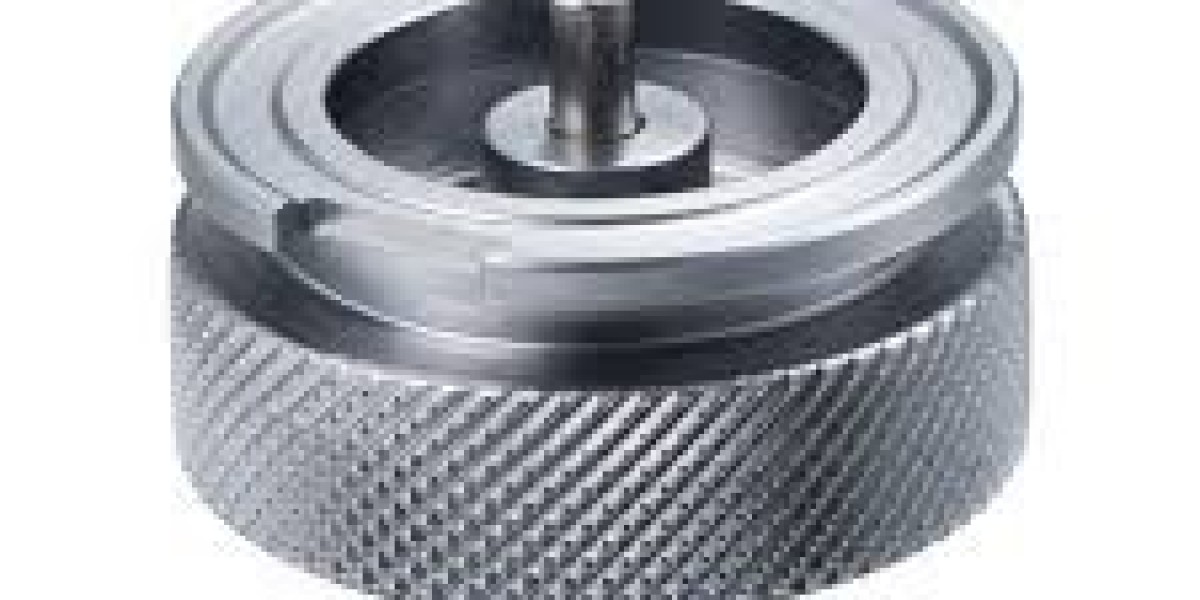
The most common assumption — that any EN417 canister will mate seamlessly with any EN417 stove — is understandable but wrong in practice. Standards define dimensions within a range, not to an exact point. That range leaves room for brand-to-brand variation: a canister from one manufacturer might sit slightly looser or need more torque to seat properly on a stove from another. Usually fine. Occasionally problematic. Cross-threading is quiet and quick, and you might not notice it until gas is already leaking.
Test your specific combination at home. Not with your backup canister. With the exact one you're bringing.
"Leak-Proof by Design" — A Reassuring Phrase That Isn't Quite True
The EN417 standard meaningfully improves safety. It reduces the chance of gross incompatibility, encourages consistent tolerances, and generally makes portable gas systems more reliable than the patchwork of older designs it replaced. None of that means the valve seals perfectly forever.
Threads wear. Grit gets in. A canister dropped onto rock absorbs that impact somewhere — sometimes visibly, sometimes not. Over dozens of trips and hundreds of connections, small degradation accumulates. The soapy water test catches this before it matters: assemble the full setup, apply soapy water to every joint, and look for bubbles. Thirty seconds. No bubbles, you're good. Bubbles mean you're glad you checked at home.
Cold Mornings, Hot Afternoons, and What the Valve Can't Control
Here's something worth understanding about butane: it gets sluggish when cold. The valve opens exactly as designed on a frigid morning, but the fuel vaporizes slowly at low temperatures, which translates to reduced pressure and a weak, uneven flame. The valve isn't malfunctioning. The chemistry is just less cooperative. Sleeping with the canister inside your bag overnight — odd as it sounds — genuinely helps at altitude or in shoulder-season cold.
The heat problem runs in the opposite direction. A canister left in direct sun inside a dark pack on a warm day builds internal pressure beyond what the seal was designed to handle comfortably. Shade the canister. It's a small habit with real consequences for valve longevity.
Refillable Canisters Exist, and More People Should Know This
Somewhere along the way, "EN417 canister" became synonymous with "disposable" in many hikers' minds. The valve design actually supports refillable versions too — same standard, different intent. For weekend warriors heading out a few times a year, disposables make perfect sense: light, simple, no extra equipment required. But for people who cook outdoors regularly, refillable canisters reduce both cost and waste substantially over time.
They do require proper filling gear and more careful handling. Not complicated, but not something to improvise. Knowing the option exists is the first step.
Inversion: The Question Nobody Thinks to Ask Until It Matters
Not every EN417 canister delivers gas reliably when tilted or turned upside down. Some do, some don't — and the difference matters when you're wedging a setup into an awkward rock alcove or trying to reach a low burner position. A canister that sputters when inverted will do exactly that in the field if you haven't tested it first. The label usually says something about orientation. Reading it at home, in daylight, beats squinting at fine print by headlamp in the rain.
Maintenance: The Five-Minute Job That Extends Your Gear's Life
Sand migrates into everything. Cooking residue coats valve threads gradually. Neither is catastrophic on its own, but accumulated neglect shortens the usable life of both canister valve and stove fitting faster than normal wear ever would. A quick wipe before connecting — clean cloth, ten seconds — keeps threads clear and connections smooth.
Overtightening deserves its own mention. It feels like security. It's actually the fastest way to strip threads across repeated use. Snug and firm is the goal. Wrenching it down "just to be safe" defeats the purpose.
Altitude Changes the Equation
The valve performs the same at 10,000 feet as at sea level. The air around it doesn't. Thinner atmosphere means less oxygen feeding the flame, which means weaker combustion regardless of fuel pressure or valve function. Wind hits harder up high and steals heat faster. Fuel consumption per meal climbs. The math on how many canisters to pack shifts — sometimes significantly — compared to lower-elevation trips.
This isn't a valve problem. It's a planning problem. Recognizing it as such means you account for it rather than running short on fuel halfway through a mountain itinerary.
What Good Gear Habits Actually Look Like
The EN417 standard is a genuine achievement in outdoor cooking reliability. It brought order to a fragmented, brand-specific ecosystem and made mixing and matching equipment vastly more practical. But no standard eliminates the need for attention. Variations exist between manufacturers. Seals degrade. Conditions intervene in ways hardware alone can't compensate for.
The campers who rarely deal with stove problems aren't necessarily using better gear — they test combinations before leaving, inspect valves regularly, store canisters sensibly, and understand what their equipment actually does. That knowledge is lighter than any backup canister and more reliable than any single brand. For canister and adapter options worth browsing before your next outing, visit www.bluefirecans.com/product/ .