
Coming back to this series after years of late-night pennant races, I expected comfort more than surprise. What I got was both. MLB The Show 26 still has that tense, familiar cat-and-mouse battle between pitcher and hitter, but it also feels sharper in ways that matter once you settle in. Even messing around with an MLB The Show 26 roster setup, you can tell the flow of each at-bat has changed. Big Zone hitting sounded like a hand-holding feature when I first read about it. It isn't. It just shifts the challenge. You worry less about tiny, twitchy stick movement and more about reading the pitch, sitting on location, and getting your timing right. That makes every solid contact feel cleaner, not cheaper. On the mound, Bear Down pitching adds a bit of drama without turning things into an arcade trick. In a tight spot, it gives you one more tool to execute, and when you nail a corner with runners on, it feels like you earned it.
A better road to the big leagues
Road to the Show is where I noticed the biggest lift. Starting in the amateur stage and moving through a licensed college tournament gives your player an actual beginning, which sounds small until you play it. It makes those early games mean something. You're not just dumped into the minors as another faceless prospect. There's context now. There's momentum. The Road to Cooperstown layer helps too, mostly because it keeps your career from going flat after a season or two. That mode has always been fun in bursts, but it used to lose steam once you got established. Here, there's a stronger sense that your choices, your stats, and even your slumps are feeding into a longer story.
Front-office players finally get more to work with
Franchise Mode feels more in step with how people actually follow baseball in 2026. The Trade Hub is the headline feature, and fair enough, because it cuts out a lot of blind guessing. You can actually track market movement and get a better sense of who's selling, who's pushing in, and what teams really need. That alone makes roster building less of a chore. The smarter lineup and rotation logic helps just as much. You'll notice it over a long save, when clubs start behaving in ways that feel closer to modern baseball instead of some weird spreadsheet fantasy. If you're the type who likes fiddling with bullpen roles, platoons, and prospect timelines, this is the stuff that keeps you hooked.
Presentation that breaks up the routine
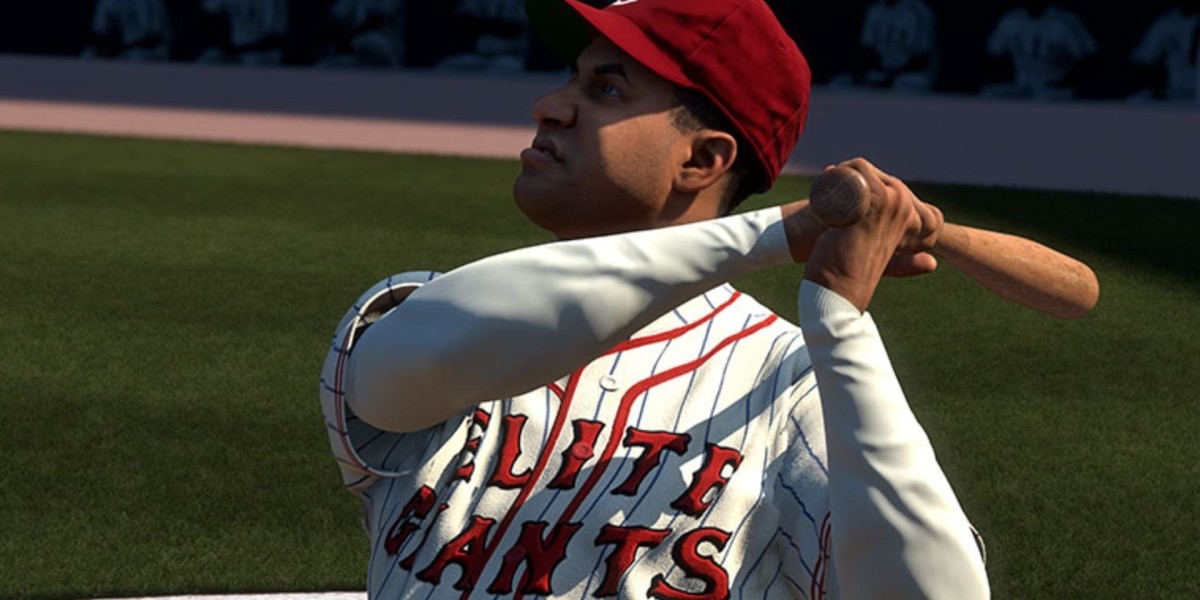
The visual package deserves a mention because it does more than just look nice. Playing in places like the Tokyo Dome or Estadio Hiram Bithorn changes the mood right away. It gives the season some variety, which this series has needed. The international settings feel distinct rather than pasted on. That same care shows up elsewhere too. Diamond Dynasty still has the pull-it's-almost-midnight-and-one-more-game energy, while the Negro Leagues storylines bring a different pace and a lot more weight. Those moments land because the game doesn't rush them. It lets the history breathe a little.
Why it sticks
What I like most is that MLB The Show 26 doesn't try too hard to show off. It makes smart changes to the parts people actually spend hours with, and that's why it works. Hitting has a better rhythm, pitching has more nerve, and the career and management modes have more shape to them. If you're the sort of player who bounces between online card collecting, solo progression, and franchise tinkering, there's a lot here to dig into, and services like U4GM are easy to spot in that wider community since plenty of players look for quick help with game currency and item support while keeping the grind moving.