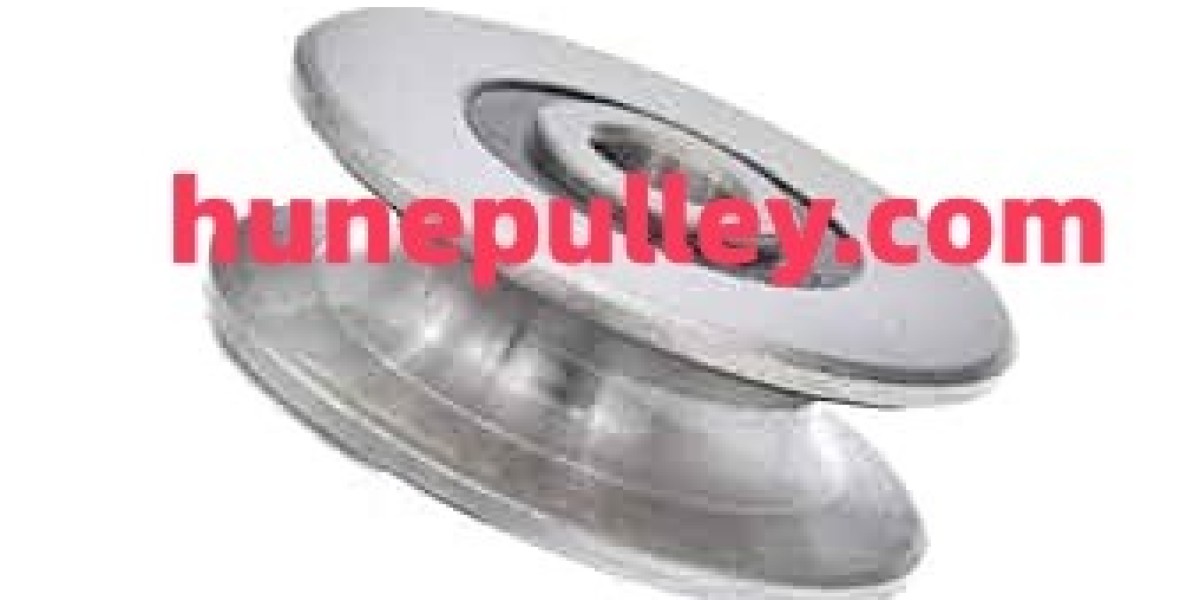

Moisture changes how sliding systems behave, especially in areas where air carries constant dampness. Many buyers begin their search with Hune Stainless Steel Sliding Door Wheels because they are often associated with resistance to environmental impact and steady operation. Choosing the right component is not only about material, but also about how each part interacts within the system.
Humidity introduces subtle challenges. Surfaces may collect condensation, and small particles can stick more easily when moisture is present. Over time, this combination can affect movement. A sliding system that once felt smooth may begin to drag or produce unwanted sound. This is where material selection becomes meaningful. Stainless steel offers a stable surface that resists visible change, helping maintain consistent contact between wheel and track.
However, performance does not depend on material alone. Structure plays an equally important role. A well-designed wheel considers contact area, balance, and how pressure spreads during motion. When these elements align, the door glides in a controlled way instead of shifting unevenly. This creates a quieter and more comfortable experience without requiring frequent adjustment.
Another aspect that often goes unnoticed is the internal design. Some applications do not require complex internal components. In fact, for certain environments, a simpler structure without internal bearing parts can be more practical. It reduces the chance of trapped moisture and allows easier customization. This approach also opens the door to flexible production, especially for small plastic components that need to match specific project requirements.
Customization has become increasingly relevant. Different sliding systems require different dimensions, shapes, and materials. A one-size approach rarely fits every installation. For example, compact sliding doors in limited spaces may require lightweight parts, while other setups may need reinforced structures for stability. Injection molded solutions allow these variations to be produced efficiently, adapting to unique design needs without overcomplicating the structure.
Noise control is another concern in humid environments. Moisture can amplify small irregularities during movement, making sound more noticeable. A carefully shaped wheel surface, combined with balanced rotation, helps reduce friction points. This results in smoother travel along the track and a more pleasant indoor atmosphere.
Installation conditions also influence performance. Even a well-made wheel can behave differently depending on alignment and track quality. Ensuring proper fitting reduces uneven pressure and prevents unnecessary wear. When combined with thoughtful design, this helps extend the functional life of the sliding system without relying on frequent replacement.
For buyers, understanding these factors can make selection more straightforward. Instead of focusing only on appearance, it becomes useful to consider how the component will function in real conditions. Questions such as how the wheel handles moisture, how it distributes load, and whether it can be customized for specific needs often lead to better decisions.
In many cases, projects benefit from working with a manufacturer that can provide flexible solutions. The ability to produce small injection molded parts without fixed internal structures allows greater freedom in design. Whether the requirement involves adjusting size, shape, or material, this flexibility supports a wider range of applications without unnecessary complexity.
As sliding systems continue to be used in different environments, the demand for adaptable components remains steady. Practical design, stable material choice, and customization capability all contribute to a more reliable result. Each of these elements plays a role in ensuring that movement stays smooth even when conditions are less than ideal.
Hunepulley focuses on producing customizable small injection molded rollers, including designs without internal bearing structures. This approach supports a variety of sliding applications where flexibility and simplicity are valued. For more details, you can visit Hunepulley