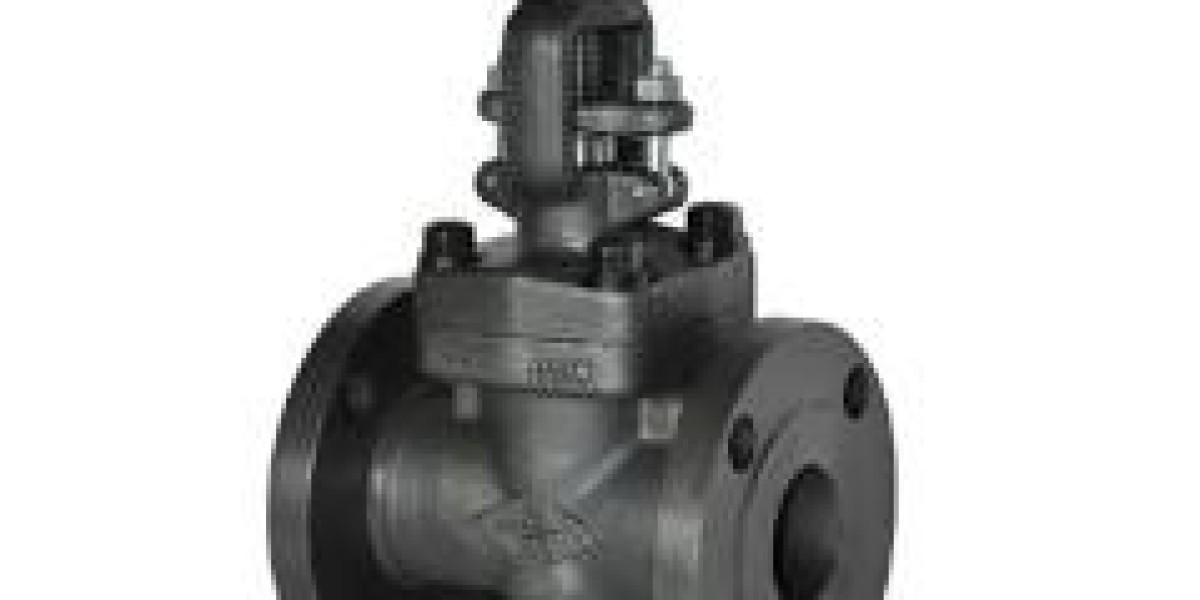

DIN Standard Cast Steel Valves are widely recognized in industrial systems for their reliable performance and compatibility with global pipelines. Defined by the Deutsches Institut für Normung (DIN), these valves follow strict engineering standards that cover dimensions, materials, pressure ratings, and testing methods. Industries including petrochemical, chemical processing, and power generation rely on these valves to manage critical flows efficiently.
Key Features of DIN Standard Cast Steel Valves
Material Composition
These valves are generally made from high-grade cast carbon steel or cast alloy steel. Such materials allow the valves to operate in medium to high-temperature environments while resisting corrosion. DIN Standard Cast Steel Valves Manufacturers often offer various material grades tailored for specific industrial requirements.
Pressure Ratings and Valve Types
DIN standards classify valves under pressure nominal (PN) ratings, such as PN16, PN25, and PN40. This ensures the valves can handle defined pressures safely. Common valve types include gate valves, globe valves, check valves, and ball valves, all designed to maintain flow control under stringent conditions.
Dimensional Compatibility
One advantage of DIN standardization is predictable integration. The valves'face-to-face dimensions, flange sizes, and connection styles are standardized, allowing for easy installation into European and international piping systems. This reduces downtime and simplifies maintenance planning.
Testing and Quality Assurance
DIN Standard Cast Steel Valves must pass hydrostatic and shell tests to confirm mechanical strength and leak resistance. Many DIN Standard Cast Steel Valves Manufacturers provide traceable quality documentation, including mill certificates and heat numbers, giving buyers confidence in regulatory compliance and operational reliability.
Why Industries Trust DIN Standard Cast Steel Valves
Petrochemical and chemical facilities handle flammable and high-pressure media, making operational reliability essential. DIN Standard Cast Steel Valves meet rigorous safety standards, including fire-safe testing, low fugitive emission control, and ISO/EN pressure compliance. These factors reduce risks associated with leakage, corrosion, and operational failure.
When selecting valves, cast steel options remain economical and practical for large-diameter or complex designs. While forged steel offers higher strength for extreme pressures, cast steel valves are sufficient for many standard industrial applications, balancing durability, cost, and compliance.
Partnering with experienced DIN Standard Cast Steel Valves Manufacturers is crucial. Reliable suppliers offer valves that meet DIN specifications, provide comprehensive testing reports, and can advise on material selection, pressure ratings, and fire-safe designs. Ensuring your valves come from certified manufacturers reduces long-term maintenance costs and operational risks.
DIN Standard Cast Steel Valves continue to play a pivotal role in industrial systems worldwide. By understanding material options, pressure classifications, and trusted manufacturing sources, engineers can confidently select valves that meet both operational demands and international standards.