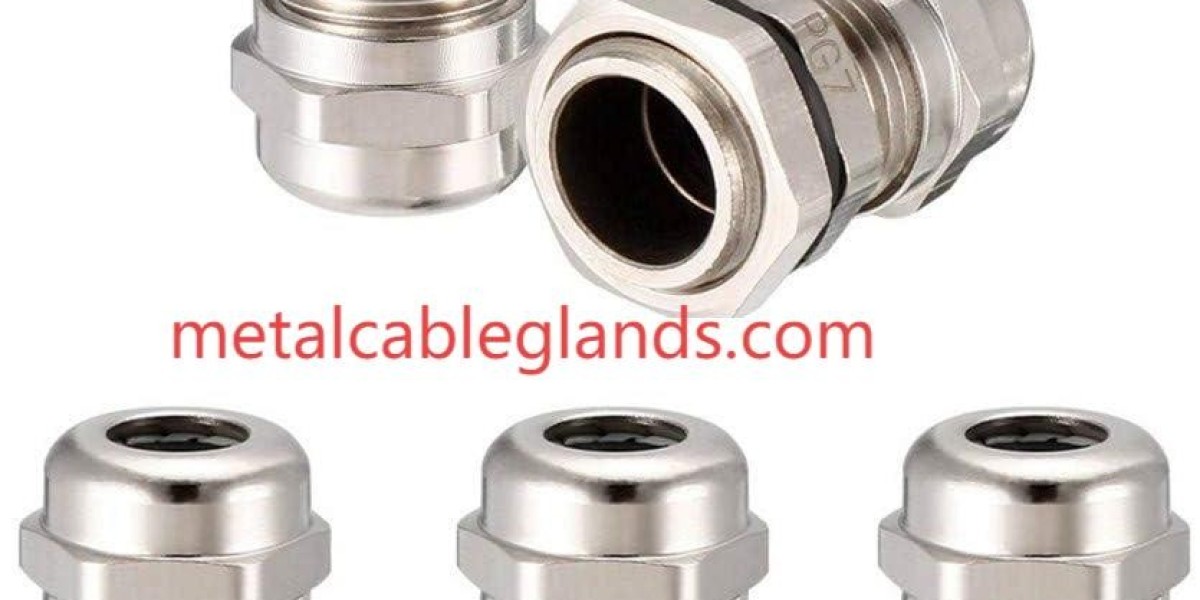

Reliable electrical installations depend not only on cables and connectors but also on the compatibility between different components. In many wiring systems, a Cable Gland Adaptor plays a crucial role in bridging thread differences and ensuring that cable glands connect securely with electrical enclosures or equipment interfaces. By enabling flexible integration between components from different standards, a Cable Gland Adaptor helps maintain structural integrity and long-term reliability across diverse electrical installations.
The materials used in cable gland adaptors significantly influence their durability and operational performance. Common materials include brass, stainless steel, and high-grade engineering plastics, each offering specific advantages for different working environments. Brass adaptors are widely appreciated for their mechanical strength and corrosion resistance, making them suitable for demanding industrial environments. Stainless steel variants are often selected for environments exposed to moisture, chemicals, or outdoor conditions where long-term durability is essential. Engineering plastics provide lightweight alternatives with excellent insulation properties, making them suitable for applications where electrical isolation is important.
Material selection directly affects the protective capabilities of cable gland adaptors. In electrical systems, maintaining a stable and sealed connection point is essential for protecting cables from environmental factors such as dust, moisture, and vibration. Well-designed adaptors create a secure mechanical interface that preserves the integrity of the cable gland assembly. This ensures that the overall cable entry system continues to function effectively even when installations experience environmental stress or mechanical movement.
Another important feature of cable gland adaptors is their role in improving installation flexibility. Electrical installations often involve equipment produced by different manufacturers, each using varying thread standards and interface designs. Without adaptors, installers would face significant compatibility challenges. Cable gland adaptors solve this problem by allowing connectors and enclosures with different thread types to work together seamlessly. This flexibility simplifies system design and reduces the need for custom components.
In addition to compatibility, cable gland adaptors enhance installation efficiency. During electrical system assembly, technicians must ensure that all cable entries are properly aligned and secured. Adaptors make it possible to adjust connection points quickly without redesigning the entire cable entry system. This saves time during installation and reduces labor costs while maintaining safety and reliability.
From a performance perspective, cable gland adaptors contribute to the mechanical stability of cable management systems. Electrical cables often experience movement due to vibration, thermal expansion, or operational activities in industrial environments. A properly installed adaptor supports the cable gland structure, helping to maintain a secure connection between the cable and the enclosure. This reduces the likelihood of loosening connections or damage to the cable entry point.
Cable gland adaptors are widely used across multiple industries. In manufacturing facilities, electrical equipment often operates in environments filled with vibration, dust, and temperature changes. Adaptors help maintain secure cable entry systems that protect sensitive wiring. In renewable energy installations such as solar or wind energy systems, cable gland adaptors ensure compatibility between electrical panels, junction boxes, and cable protection components. Infrastructure projects, including transportation systems and telecommunications networks, also rely on adaptors to maintain organized and reliable wiring connections.
Another important application area is commercial and building infrastructure. Electrical distribution systems within buildings require safe and organized cable routing. Cable gland adaptors make it possible to integrate different cable gland types with various electrical cabinets and control panels. This ensures that installations remain flexible while maintaining high safety standards.
Cable gland adaptors also support system upgrades and maintenance. Electrical infrastructure often evolves over time as equipment is replaced or upgraded. Adaptors allow existing enclosures and cable entry points to remain in use even when new cable glands or components are introduced. This reduces the need for costly equipment replacement and helps extend the life cycle of electrical installations.
Manufacturers play a vital role in ensuring the quality and reliability of cable gland adaptors. Companies that focus on precision engineering and high-quality materials can deliver components that maintain performance under demanding conditions. Zhejiang Hongjuesi Connector Co., Ltd. is known for producing reliable cable management components designed for industrial and infrastructure applications. Their product range emphasizes durability, compatibility, and ease of installation, helping electrical systems maintain long-term operational stability.
For professionals seeking reliable cable connection solutions, learning more about high-quality cable gland accessories can provide valuable insight into system design and installation efficiency. Zhejiang Hongjuesi Connector Co., Ltd. offers a wide range of cable management products designed to support safe and adaptable electrical installations. Additional information about their solutions can be found at https://www.metalcableglands.com .