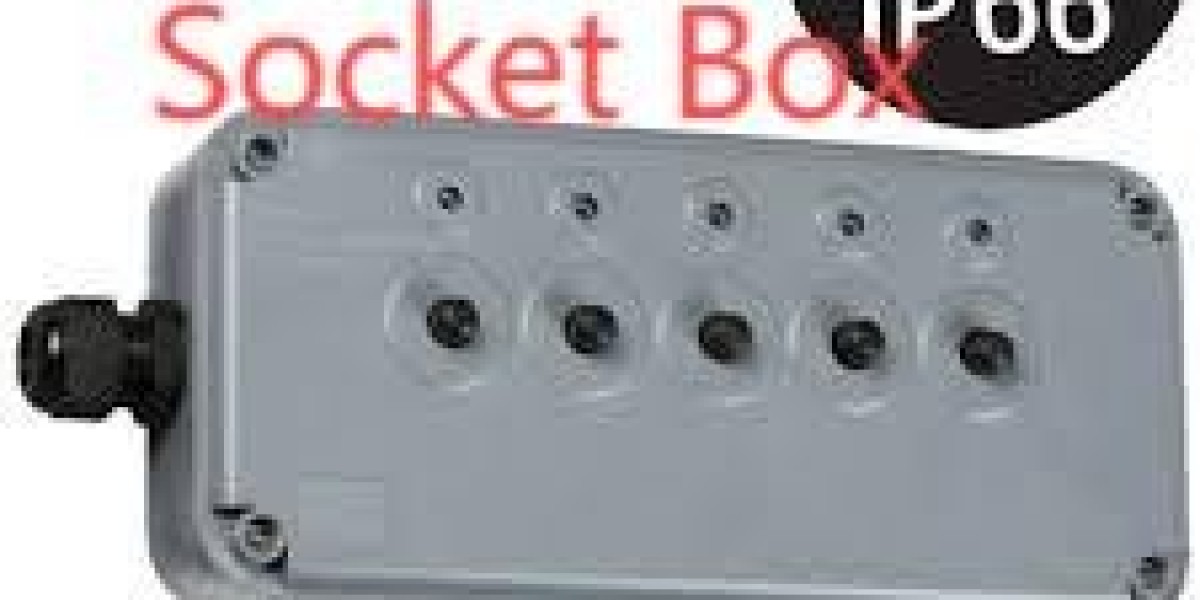

Many site planners now specify a Outdoor Socket Box right in the middle of site-power plans to provide protected receptacles for tools and lighting, and contractors often choose a Outdoor Socket Box for temporary installations because it combines weather protection with safe, code-compliant distribution. This article examines the practical design choices, safety features, installation tips, vendor compatibility, and long-term care strategies that help teams select and maintain outdoor socket enclosures that keep projects moving—rain or shine.
Materials and Construction: What to Look For
A reliable exterior socket enclosure starts with the right materials. UV-stabilized thermoplastics like polycarbonate resist fading and cracking, while fiberglass-reinforced polyester offers excellent impact strength and chemical resistance. Stainless-steel hardware and reinforced hinge points increase longevity in coastal or corrosive environments. Gasket design matters: continuous, retained gaskets seated in dedicated grooves are less likely to shift and fail than loose strips. Also evaluate mounting bosses and internal reinforcement so the enclosure can accept heavier devices without deforming.
Ratings, Certifications, and Environmental Fit
Match the enclosure’s protection class to the expected conditions. IP and NEMA ratings describe ingress protection against dust and water; for most exposed locations, an IP65 or IP66 rating is a sensible baseline. Check for UV and salt-spray testing if the unit will be near the coast. Flame-retardance, low-smoke material classifications, and compliance with regional standards (UL, IEC, or local authorities) are essential when the enclosure contains circuit protection or switching devices. Tying the specification to actual site threats avoids both over- and under-engineering.
Installation Best Practices for Safety and Accessibility
Correct installation preserves the enclosure’s weatherproofing and reduces maintenance headaches. Use glands sized to the cable dimensions and compatible with wall thickness; confirm O-ring compression when covers are closed. Mount units with slight forward tilt or under an overhang to reduce standing-water exposure on lids. Maintain clear labeling for each outlet and include a wiring diagram inside the cover for quick reference. Where multiple enclosures are needed, plan cable runs to avoid crossings and trip hazards, using protected conduits or cable trays where appropriate.
Compatibility and Accessories (Featuring Schneider Electric)
Interoperability with meters, breakers, and modular faceplates speeds deployment. Many enclosure manufacturers offer adapter plates that accept standardized modules from prominent suppliers, reducing field cutouts and custom work. If integrating monitoring equipment or surge protection from major vendors such as Schneider Electric, verify mechanical cutouts and clearances before ordering. Pre-wired internal assemblies and accessory kits—transformer mounts, locking covers, or tamper-resistant sockets—can reduce site labor and simplify inspections.
Thermal Management and Load Planning
Even weatherproof enclosures can overheat if loaded improperly. Plan for continuous load versus intermittent use and position heat-generating devices away from sensitive electronics. Passive ventilation with insect-proof louvers or thermal vents can help for moderate heat loads; for enclosed applications with transformers or continuous high current, consider forced ventilation or external heat-sinking. Also balance load distribution among outlets and phase conductors to avoid nuisance trips and reduce thermal stress on internal wiring and breakers.
Maintenance, Inspection, and Lifecycle Strategies
A straightforward maintenance routine keeps outdoor socket enclosures operational year after year. Inspect gaskets and fastener torque after extreme weather events, check for corrosion at connection points, and verify that locking mechanisms work smoothly. Keep a small inventory of common spare parts—gaskets, glands, fuses, and handles—to speed field repairs. Document repairs and replacements so recurring issues can inform future design changes; often a simple gasket design change or upgraded gland will resolve repeat failures.
Design for Security and User Safety
For installations exposed to public access, choose tamper-resistant outlets and lockable covers to prevent unauthorized use. Consider integrated RCD/GFCI protection where wet conditions or portable tools are common. Clear, weatherproof labeling and visible isolation points reduce human error during maintenance. Finally, train site crews on emergency shutdown procedures and ensure enclosures are included in routine safety inspections and permits.
Selecting the right outdoor socket solution requires careful thought about materials, protection ratings, installation techniques, and maintenance planning. When chosen and installed correctly, an exterior socket enclosure becomes an invisible workhorse that improves safety, reduces downtime, and cuts lifecycle costs. For additional product information and corporate resources, please visit https://www.nante.com