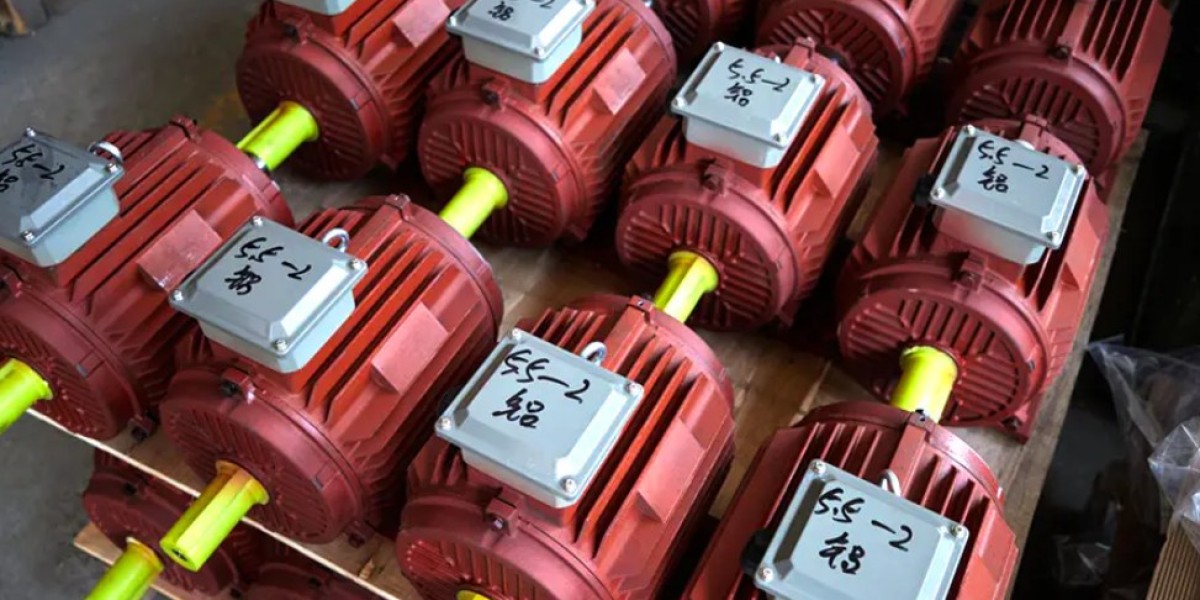

When users explore asynchronous electric motor performance, one topic that frequently arises is reliability and fault diagnosis. Many practical questions come from industrial forums and technical discussions, because asynchronous machines are used widely in pumps, conveyors, HVAC systems, and other continuous-duty applications. Although these motors have a reputation for simplicity and robustness, they are not immune to failures, and understanding the common failure modes helps users manage downtime and maintenance costs.
One of the most common concerns involves overheating. Frequent overheating shortens insulation life and accelerates wear on internal components. This can be triggered by overloading, blocked ventilation, or voltage imbalances on the supply lines. In many industrial settings, technicians use thermal imaging or temperature monitoring to catch rising temperatures early before they escalate into major failures.
Vibration and noise also prompt questions on community forums. Unusual vibration often signals mechanical issues such as bearing wear, rotor imbalance, or misalignment between the motor and its load. Addressing these issues early with vibration analysis can reduce secondary failures and extend equipment life.
On the electrical side, stator winding faults and insulation breakdown are frequent topics. Stator failures may come from thermal stress or contamination, and they often manifest as decreased performance or erratic operation. Regular insulation testing with a megohmmeter and monitoring of power quality help detect emerging issues.
Forums also discuss brushless asynchronous induction motors — a term often used when comparing classic squirrel-cage induction motors with other brushless designs. While “brushless” might evoke a direct-drive BLDC mechanism in some discussions, in this context it highlights that induction motors have no brushes, reducing one category of wear and maintenance requirements compared with brushed motors.
In real-world operations, understanding both common faults and the root causes of motor stress helps technicians schedule preventive actions and optimize lifecycle performance of these machines.