
Understanding Suitable Water Conditions
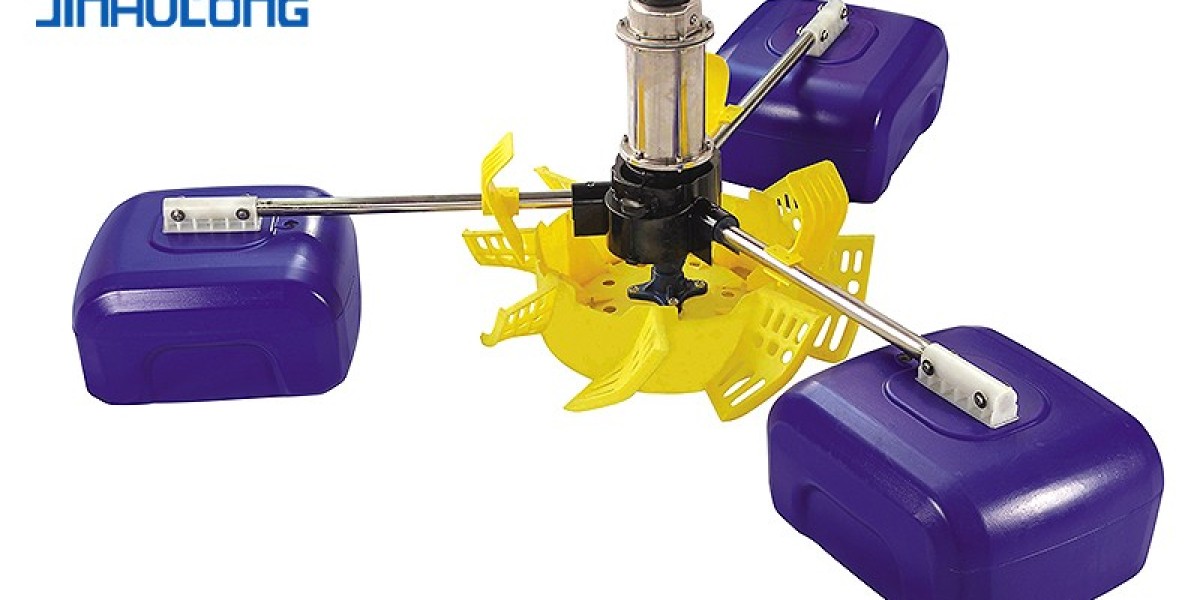
A Splash Aerator is widely used to improve dissolved oxygen levels and enhance water circulation in various aquatic environments. Its surface-agitation design lifts water and disperses it into the air, promoting oxygen transfer while creating visual movement. Because of this operating principle, it performs best in open or semi-open water bodies where surface aeration and circulation are essential. Selecting the right water environment ensures higher efficiency, better energy utilization, and longer equipment lifespan.
Landscape Lakes and Decorative Ponds
Landscape lakes and decorative ponds are among the most common applications. In parks, residential communities, golf courses, and commercial complexes, maintaining water clarity and preventing stagnation are critical. The Splash Aerator not only improves oxygen content but also enhances water movement, which helps reduce algae growth and unpleasant odors. Additionally, the splashing water effect adds aesthetic value, making it a practical and decorative solution for public spaces. For shallow to medium-depth ornamental lakes, this type of aerator offers both functional and visual benefits.
Fish Ponds and Aquaculture Systems
Fish ponds and aquaculture farms require stable oxygen levels to support healthy aquatic life. In high-density breeding environments, oxygen depletion can occur rapidly, especially during hot weather or at night. A Splash Aerator is suitable for medium to large fish ponds where surface oxygenation and water mixing are needed. It helps prevent stratification by circulating upper and lower water layers, ensuring uniform oxygen distribution. While it may not replace deep-water diffused aeration systems in very deep ponds, it provides an effective solution for standard aquaculture ponds and shrimp farms where surface agitation is sufficient.
Wastewater Treatment Ponds
Oxidation ponds and stabilization lagoons in wastewater treatment facilities also benefit from surface aeration systems. In these settings, oxygen is required to support aerobic bacteria that break down organic matter. The Splash Aerator is particularly useful in lagoons with moderate depth and relatively large surface areas. Its mechanical splashing action enhances oxygen transfer while maintaining circulation, which prevents sludge buildup in certain zones. However, in heavily loaded industrial wastewater systems requiring precise oxygen control, it is often used as a supplementary solution rather than the primary aeration method.
Reservoirs and Irrigation Ponds
In agricultural reservoirs and irrigation ponds, stagnant water can lead to algae blooms and poor water quality. Surface aeration helps maintain balanced oxygen levels and reduces the risk of anaerobic conditions. For small to medium reservoirs, installing one or multiple units can significantly improve circulation. This makes the equipment suitable for farms, vineyards, and rural water storage systems where consistent water quality is important for crop irrigation and livestock use.
Limitations and Environmental Considerations
Although highly versatile, this aeration method is most effective in shallow to moderately deep water bodies. Extremely deep lakes may require bottom-diffused systems to achieve comprehensive oxygen distribution. In addition, water surface area, depth, organic load, and climate conditions should all be evaluated before installation. Proper sizing and placement are key to maximizing performance while minimizing energy consumption.
Conclusion
From landscape lakes and decorative ponds to fish farms, wastewater lagoons, and agricultural reservoirs, surface splashing aeration systems adapt well to a wide range of water environments. Their ability to enhance oxygen transfer, improve circulation, and provide visual appeal makes them especially suitable for open water bodies with moderate depth. Careful assessment of water characteristics ensures optimal results and long-term operational efficiency.