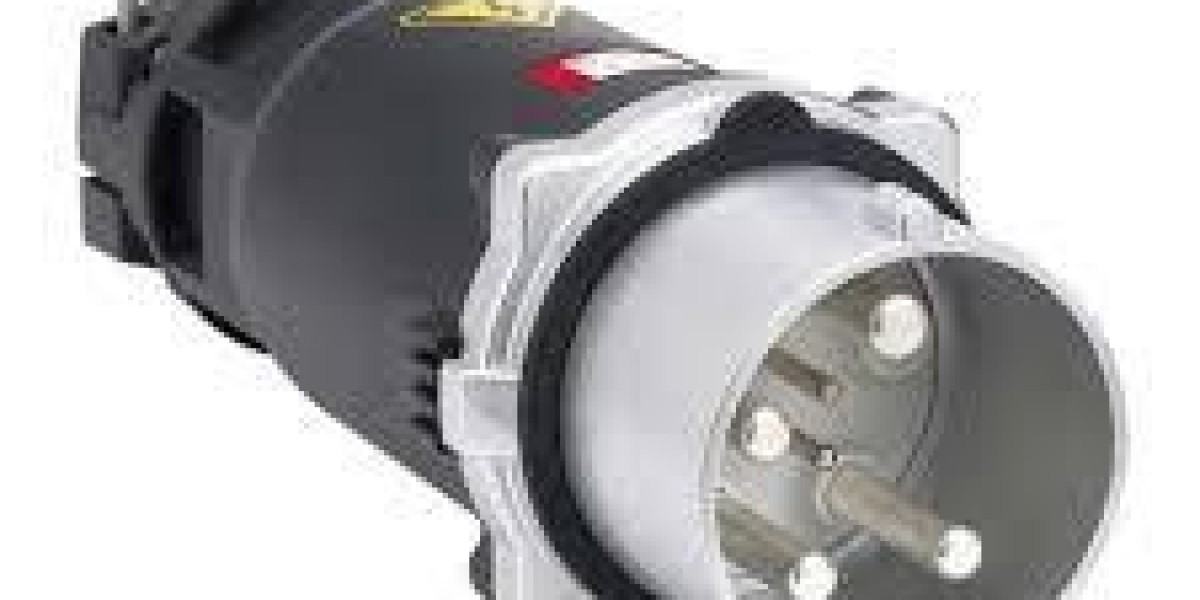

In heavy-duty electrical systems, engineers often rely on an Industrial Plug to deliver stable power under vibration, moisture, and frequent connection cycles, and selecting the right Industrial Plug early in a project helps align electrical ratings, safety expectations, and maintenance planning before installation begins. Rather than treating connectors as interchangeable accessories, experienced designers view them as critical interfaces that influence uptime, operator safety, and lifecycle cost across industrial sites.
Application scenarios and operational demands
Industrial power connectors are used wherever equipment must be connected and disconnected reliably: manufacturing lines, construction sites, ports, temporary power stations, and mobile machinery. Each environment imposes different stresses. Construction sites demand rugged housings that tolerate impact and dirt, while factories prioritize repeatable mating cycles and consistent electrical contact. Outdoor installations add UV exposure, rain, and temperature swings. Defining these operational demands clearly allows engineers to match connector families to realistic use cases rather than nominal ratings alone.
Electrical ratings, load behavior, and safety margins
Electrical performance goes beyond nameplate voltage and current. Startup currents, harmonic loads, and duty cycles affect heat generation at contact points. Designers should consider derating curves for elevated ambient temperatures and ensure connectors tolerate both continuous and peak loads. Protective earth continuity, insulation class, and creepage distances are central to operator safety. Selecting connectors with generous safety margins reduces nuisance overheating and supports compliance with electrical standards during inspections.
Materials, contacts, and longevity (Mennekes comparison)
The durability of a connector is largely determined by its materials. Housing compounds must resist impact, oils, and UV radiation without cracking. Contact systems — copper alloys with specific plating — influence resistance and wear. Silver plating offers low resistance for frequent use, while gold plating may suit low-current signaling applications. When comparing suppliers, engineers often review established brands such as Mennekes to understand how contact geometry, spring force, and plating thickness affect mating cycles and long-term stability. These comparisons inform maintenance intervals and spare-part strategies.
Mechanical design and user ergonomics
Mechanical features protect both the connector and the user. Keying prevents mis-mating, while locking collars or bayonet systems ensure secure engagement under vibration. Strain reliefs reduce stress on conductors, and ergonomic grips improve handling with gloves. Clear orientation markings and color coding reduce connection errors in busy or low-light environments. Thoughtful mechanical design speeds safe operation and minimizes accidental disconnection during critical processes.
Installation practices and inspection routines
Even robust connectors depend on correct installation. Follow manufacturer torque specifications for terminals, maintain proper strip lengths, and ensure cable jackets match gland sizes to preserve sealing. Route cables to avoid sharp bends near terminations and provide adequate support to prevent fatigue. Periodic inspections should check contact condition, locking integrity, and seal elasticity. Recording inspection results helps predict replacement cycles and supports preventative maintenance planning.
System integration and future flexibility
Industrial connectors rarely operate alone; they interact with panels, extension cables, and distribution equipment. Standardizing connector types across a facility simplifies training and spare-part inventories. Planning for future capacity — higher currents, additional phases, or monitoring accessories — avoids premature obsolescence. Modular systems that accept interchangeable inserts or accessories provide flexibility as operational needs evolve.
Procurement, documentation, and lifecycle value
From a procurement perspective, documentation quality matters. Clear datasheets, certification records, and wiring guidance reduce approval delays. Lifecycle value should outweigh initial price: connectors that last longer, require fewer inspections, and reduce downtime deliver better total cost of ownership. Close collaboration between engineering, maintenance, and purchasing teams ensures specifications reflect real operational priorities.
Reliable industrial power depends on more than cables and breakers; connection interfaces play a decisive role in safety and continuity. By matching electrical ratings, materials, mechanical features, and installation discipline to real environments, facilities can achieve predictable performance and reduced maintenance burden. For a detailed technical overview and practical explanations, visit https://www.nante.com/news/industry-news/what-is-industrial-plug.html