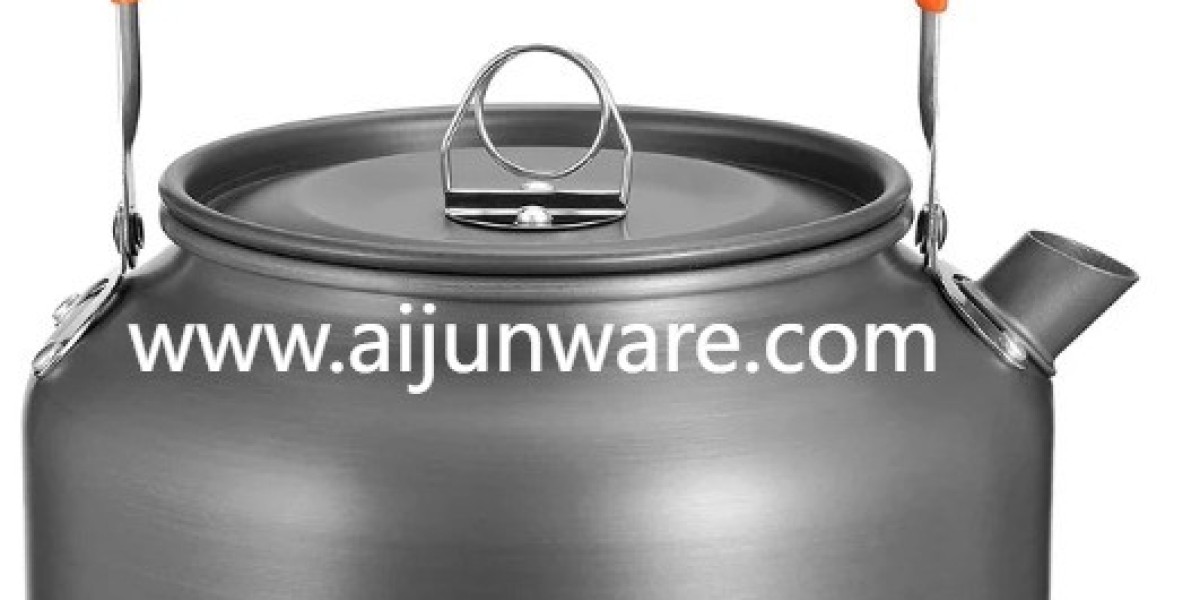

Family camping requires coordinating equipment that serves multiple people efficiently without creating unnecessary burden. The Aijun Camping Water Pot must accommodate group meal preparation while remaining manageable to transport and clean, creating a balance between capacity and practicality. Understanding how family size, children's ages, meal complexity, and cooking style affect container size requirements helps you select pots that genuinely serve your needs rather than proving too small for adequate meals or too large for efficient handling.
Family member count provides only rough guidance for pot sizing because consumption varies dramatically by age and appetite. A family of four with two teenagers eats substantially more than four people including two toddlers. Growing children's increasing appetites mean pot capacity needs to evolve as families change. Calculating based on adults equivalent rather than simple headcount gives more accurate capacity estimation. Two teenagers might consume as much as three adults, while young children might equal half an adult each for meal planning purposes.
Meal types you typically prepare significantly influence capacity requirements. Families cooking simple one pot meals like stews, chili, or pasta in sauce need adequate volume for complete meals. Those preparing separate components such as boiling pasta, heating sauce, and cooking vegetables simultaneously benefit from multiple moderate pots rather than one enormous container. Your cooking approach whether toward all in one meals or multi dish preparations should guide whether capacity concentrates in single large pots or distributes across several medium vessels.
Water needs extend beyond cooking to include beverages, cleaning, and sometimes hygiene. Morning coffee or tea for several people requires substantial water volume. Washing dishes after family meals uses considerable water. Some families carry drinking water separately while others use cooking pots for all water heating. Totaling your complete water heating needs throughout typical camping days reveals whether a pot sized merely for meal cooking proves adequate or whether additional capacity for non cooking water makes daily routines more efficient.
Cooking frequency affects whether one large pot suffices or multiple containers become necessary. Families eating three cooked meals daily need cookware available continuously, making multiple pots practical since one can be cooking while another gets cleaned. Those preparing only dinner and simple breakfasts might manage with a single pot that serves both purposes sequentially. Honest assessment of how often you actually cook during camping trips prevents over equipping for imagined meal preparation that doesn't match your realistic camping patterns.
Vehicle transport versus backpacking determines acceptable pot size and weight. Car camping families can carry substantial cookware without burden, favoring larger capacity that simplifies meal preparation. Families backpacking or traveling by bicycle face strict weight and volume limits, requiring compromise between capacity and transportability. Your transportation method should heavily influence whether you optimize for cooking convenience through larger pots or for portability through compact lightweight options.
Leftover management differs between families in ways affecting pot capacity decisions. Some families cook exact portions, eating everything prepared and creating no leftovers. Others prefer cooking excess to accommodate varying appetites and provide easy next meal options. Families wanting leftover capability need pots larger than minimum meal volume, while those cooking to exact need can select smaller capacity focused purely on single meal preparation.
Children's participation in meal preparation influences pot handling requirements. Large heavy pots filled with food become hazardous when younger children help cook and serve. Families involving kids in cooking benefit from moderate sized pots that children can safely handle under supervision rather than enormous vessels requiring adult strength. This safety consideration might argue for multiple medium pots rather than single large containers even if total capacity equals what one big pot provides.
Cleaning logistics affect practical pot size limits regardless of cooking capacity needs. Enormous pots require substantial water for washing and adequate workspace for scrubbing. Limited water availability or cramped camping conditions make cleaning large cookware genuinely difficult. Sometimes choosing slightly smaller capacity that cleans easily proves more practical than maximum size pots that create cleaning challenges consuming excessive resources and time.
Nested storage systems where pots stack inside each other affect which size combinations work efficiently. Some families carry pot sets designed to nest, with each piece fitting inside the next larger size. These systems provide varied capacity options while packing compactly. Other families prefer individual pots selected specifically for different uses without nesting capability. Your packing style and available storage space should guide whether nested sets or standalone pot selection serves you better.
Adaptability to varying group sizes provides value for families whose camping companions change between trips. Sometimes just immediate family camps, while other trips include extended family or friends. Pots sized for maximum group accommodate all scenarios though they might prove excessive for smaller gatherings. Families with variable group sizes might benefit from having both medium and large capacity rather than single enormous pots that serve maximum groups while proving unwieldy for intimate family only trips.
Material and construction affect usable capacity independent of absolute volume. Thin lightweight pots might hold substantial liquid but prove difficult to handle safely when full. Thick sturdy construction supports confident handling of heavy loads but adds weight. Balancing volume against handling safety means sometimes selecting slightly smaller capacity in more robust construction rather than maximum volume in delicate materials that create handling anxiety when full.
Budget considerations often limit purchasing multiple specialized pots, forcing families to identify which single size serves most needs adequately. While ideal solutions might involve several different capacity pots for various purposes, practical budgets often allow only one or two containers. Prioritizing which capacity handles your most frequent cooking scenarios guides spending toward pots getting maximum use rather than occasionally needed sizes.
Experience teaches capacity needs more accurately than theoretical calculation. Families new to camping might experiment with borrowed equipment or start with moderate capacity, adjusting as they learn their actual requirements. Experienced camping families understand through trial whether they need more or less capacity than initially estimated. Being willing to adapt equipment as understanding grows prevents getting locked into unsuitable capacity through early purchases based on guesses.
Growth anticipation affects whether you size for current or future family needs. Young families might purchase larger capacity than currently needed, expecting children's growing appetites to fill that capacity over coming years. Families with older children approaching independence might maintain current capacity rather than downsizing immediately, knowing meal preparation needs will decrease gradually. Considering where your family sits in its growth cycle influences whether you optimize for present or approaching requirements.
The appropriate pot size for family camping balances numerous factors specific to your family's unique characteristics and camping patterns. Generic recommendations rarely account for the specific variables affecting your situation. Thoughtful consideration of who you feed, what you cook, how you camp, and what matters most to your family guides selection toward containers genuinely serving your needs across varied camping experiences. For camping cookware available in capacities suited to different family sizes and cooking approaches, browse options at https://www.aijunware.com/product/ where varied pot sizes accommodate diverse family camping needs effectively.