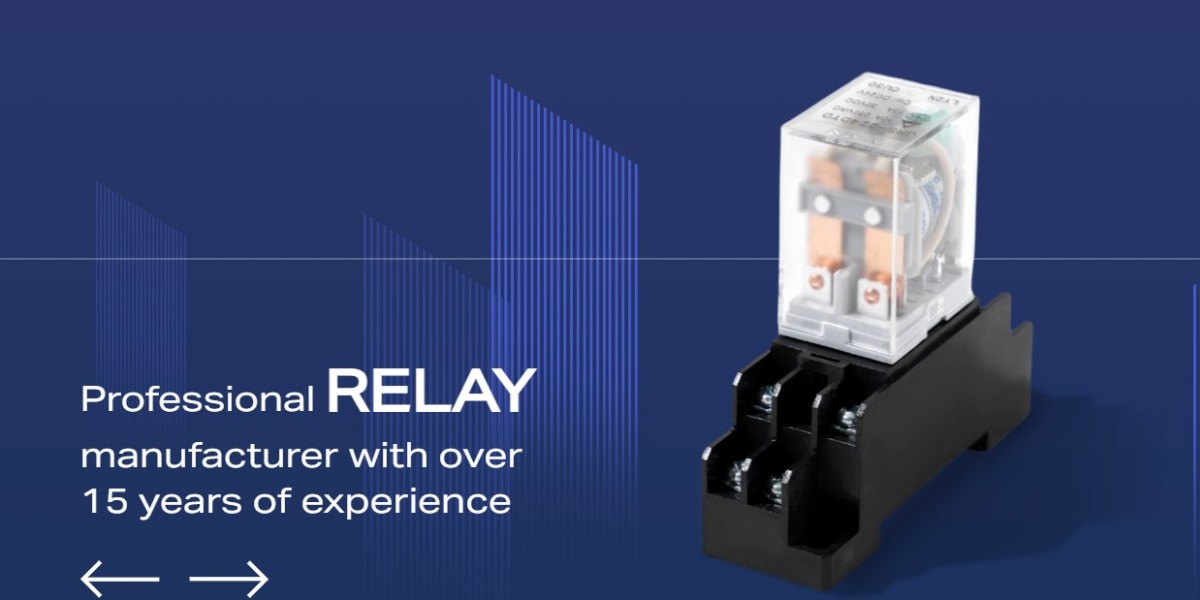

When users design or install protection for a DC motor, one of the devices they often consider is a DC overload relay to protect the motor from sustained high current conditions. In many online forums and technical discussions, engineers and hobbyists raise questions about when and how such devices should trip, what the expected operation looks like, and how to set current thresholds correctly.
A common concern raised by users is how to match the overload relay’s setting to the actual load. For example, if a motor continuously draws more current than the set value on the protection device, users might ask why the overload doesn’t trip immediately or whether it’s functioning incorrectly. In reality, many overload protection devices are thermal in nature and calibrated to allow short-term overcurrent conditions based on time-current characteristics, so a relay may take some seconds or minutes to trip depending on the amount of overload and the device’s design.
Another issue often discussed is where the overload protection should be placed in a control circuit. Some users wonder if placing it before or after the contactor coil affects how quickly the device reacts. The general consensus in technical conversations is that the focus should be on ensuring the relay senses the correct current that the motor draws; wiring details are less important than proper calibration and connection.
It’s also common to see questions about applying overload protection in DC circuits vs AC circuits. DC systems are notably different because there is no natural current zero crossing as there is in AC, making arc suppression and proper contact selection more critical. Many users are unsure whether an AC-rated protection device will behave the same in DC, which underscores the importance of using components specifically rated and tested for DC use.
Finally, integrating overload protection with control systems such as PLCs is another area of user concern. Users ask how to properly wire the output of a dc overload relay into a logic controller so that a trip condition can be logged or used to initiate a response, such as shutting down a drive or triggering an alarm. These issues highlight that, beyond component selection, successful implementation requires understanding both the electrical characteristics and how the system logic handles fault feedback.