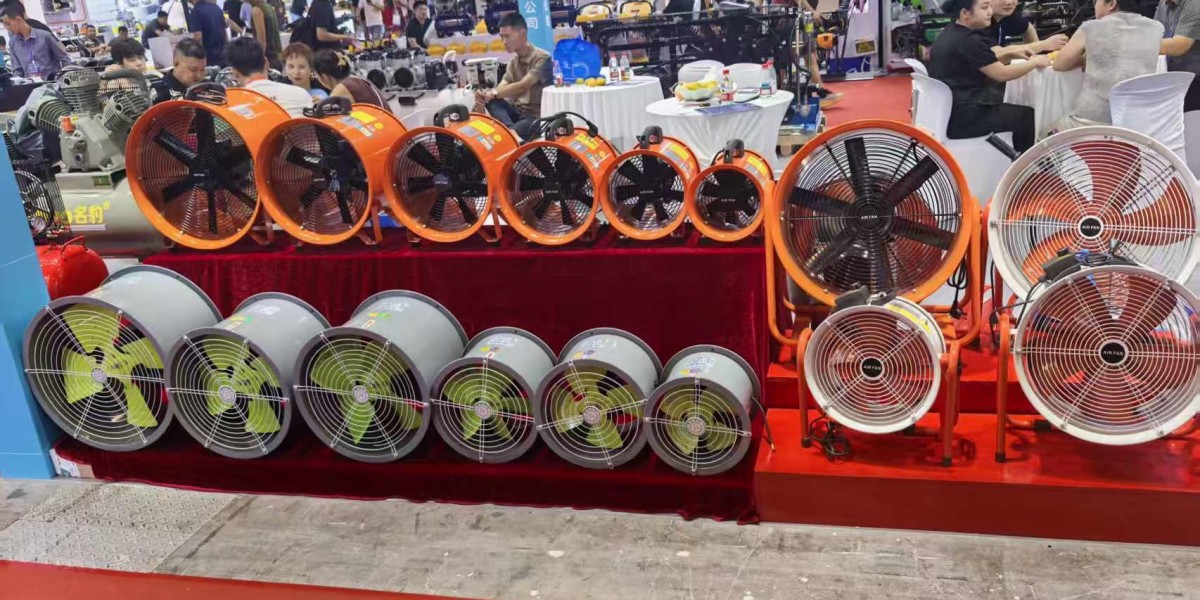

When users discuss ventilation and cooling equipment on forums and Q&A sites, a recurring theme revolves around why axial fans sometimes don’t deliver the performance expected. Unlike centrifugal blowers, axial fans are designed to move air in a straight line along the axis of the blades. In real-world applications this makes them suitable for high volume, low pressure environments. However, several issues can affect how well they perform within an HVAC system or industrial setup.
One frequent complaint users mention is reduced airflow and unstable flow dynamics. Flow variations can occur due to stall or surge phenomena, which are associated with airflow separation from the blades at certain operating points. When this happens, users may detect increased noise, vibration, and a drop in delivered airflow. This issue is often connected to the fan’s operating point being outside its originally intended design space.
Another common concern discussed on technical threads is physical obstructions and buildup of debris around the fan blades or inside the ductwork. Dust and particulate accumulation not only reduce efficiency but can also lead to imbalances in blade rotation. When blades become unbalanced, vibration and mechanical stress increase, accelerating wear on bearings and other moving parts.
Beyond mechanical issues, motor performance and alignment problems are also frequently cited in user discussions. If the motor is improperly sized for the axial fan or misaligned during installation, fans may operate at suboptimal speeds, leading to lower airflow and overheating. Proper maintenance—including regular inspection of bearings, lubrication, and cleaning—helps extend service life.
This brings us to why choosing a trusted Axial Flow Fan Manufacturer is critical for long-term operation. Quality manufacturers design components that account for real world variables like airflow resistance, environmental contaminants, and system pressure. Users considering a new external cooling solution often search for suppliers who can offer not only hardware, but also installation insight and performance guidance. Including an External Rotor Axial Fan in your design may improve spatial efficiency and reduce mechanical complexity, but understanding system needs upfront is essential to avoid the performance pitfalls many users discuss online.