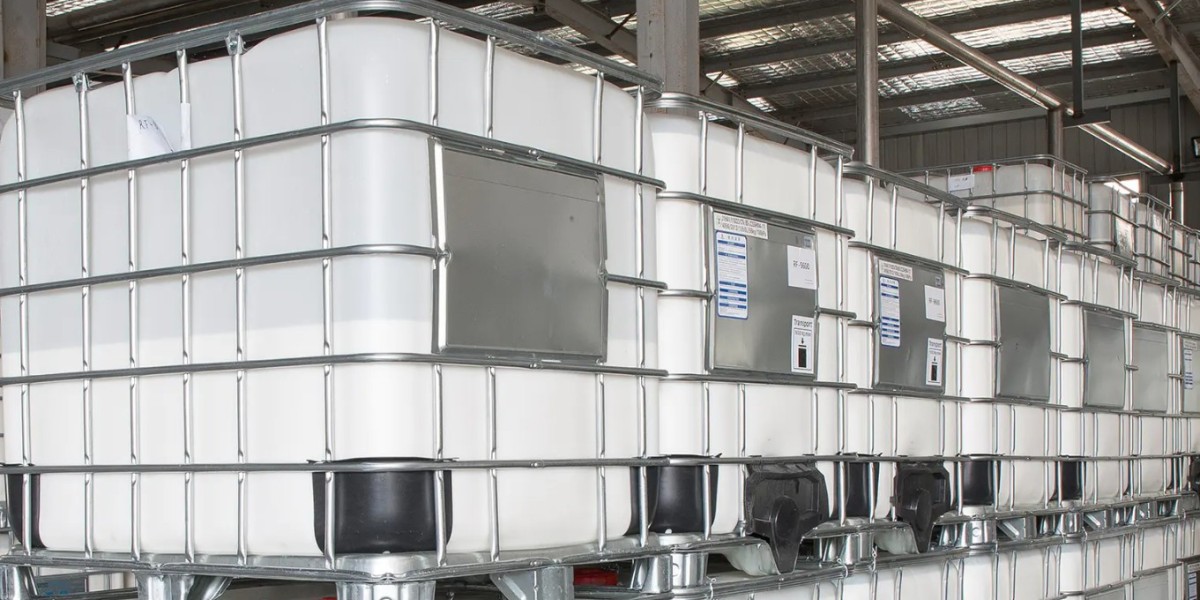

In many industrial production environments where polymer emulsions are used, manufacturers and formulators often face practical challenges that stem from material properties themselves rather than their bulk performance. One such material is carboxylated styrene butadiene latex, a modified polymer emulsion widely adopted in sectors such as coatings, adhesives, and modification of cementitious mixes.
Users and formulators frequently report issues related to the colloidal stability of the latex emulsion. If the particles in the emulsion are not sufficiently stabilized, premature coagulation or phase separation can occur, leading to sedimentation or gel formation before the material is applied as intended. This problem is often traced back to insufficient surfactant levels, poor pH control during polymerization, or inadequate agitation. Adjusting surfactant concentration and maintaining consistent mixing procedures can help reduce these defects and improve process consistency.
Another common operational concern is viscosity variability between batches, which can disrupt application performance in downstream processes like coating or bonding. Variations in polymer molecular weight, solids content, and surfactant distribution all contribute to this. Establishing tighter controls on the polymerization conditions and solids content management has been shown to yield more predictable results.
Excessive foaming is also a frequent complaint during mixing and handling. While agitation is necessary for homogenizing the product, vigorous agitation can entrain air and cause foaming that interferes with dispensing and measurement. Often, reducing surfactant levels or employing low-foaming additives mitigates these symptoms effectively.
Finally, users who apply carboxylated latex products sometimes encounter mechanical performance issues, such as weaker film formation or reduced tensile strength in final applications. These problems are typically linked to suboptimal degrees of carboxylation or improper drying and curing conditions when forming a solid film. Process adjustments—like optimizing carboxylation agent levels or careful control of curing temperature and humidity—can improve final mechanical properties.
By understanding these real-world challenges and workable adjustments, technical teams can enhance reliability, reduce waste, and achieve more consistent performance from their modified latex systems.