
Outdoor electrical work demands enclosures that perform under stress — a well-specified Weatherproof db box placed with attention to orientation and cable routing will protect circuits from moisture and dust, and careful selection reduces emergency repairs and long-term maintenance costs. For installation teams and facility managers, the right enclosure is both a protective barrier and a tool that simplifies servicing, so a design that balances access, sealing, and durability matters from day one.
Match enclosure ratings to site conditions
Selecting an enclosure begins with understanding the environment. Choose an IP or NEMA rating that fits expected exposure: rain spray, direct water jets, temporary immersion, dust ingress, or chemical atmospheres each demand different protection levels. Consider nearby activities — high-pressure washdowns in food processing, salt spray at coastal sites, or airborne particulates in construction zones all call for specific material choices and additional protective measures such as sacrificial coatings or stainless hardware.
Materials, finishes, and corrosion resistance
Material choice affects longevity. Thermoplastics with UV stabilizers resist cracking and discoloration, powder-coated aluminum offers lightweight strength and heat dissipation, while stainless steel delivers the best corrosion resistance in marine or chemical environments. When specifying fasteners, hinges, and internal mounting plates, require stainless or suitably plated hardware to avoid galvanic corrosion and to preserve seal integrity. Special finishes like passivation or epoxy primers extend service life in aggressive environments.
Design features that simplify installation and maintenance
A serviceable enclosure reduces labor time and human error. Look for removable mounting plates, captive screws, continuous hinges, and integrated drainage channels. Pre-marked knockout patterns and standardized gland positions speed cable-entry planning. Door seals that are continuous and replaceable simplify lifecycle maintenance; captive fasteners prevent lost parts during field servicing. Thoughtful interior layouts that allow for clean wiring paths and label space reduce rework and speed diagnostics.
Thermal management and internal layout
Heat is an underappreciated stressor. Consider internal heat loads from breakers, contactors, and transformers and design ventilation or conduction paths accordingly. Passive measures include reflective external finishes and conductive backplates; active options can consist of filtered fans or thermostatically controlled ventilators for higher-power applications. Separating heat-generating components from sensitive electronics prevents thermal runaway and simplifies cooling strategies.
Cable entry, sealing, and drainage best practices
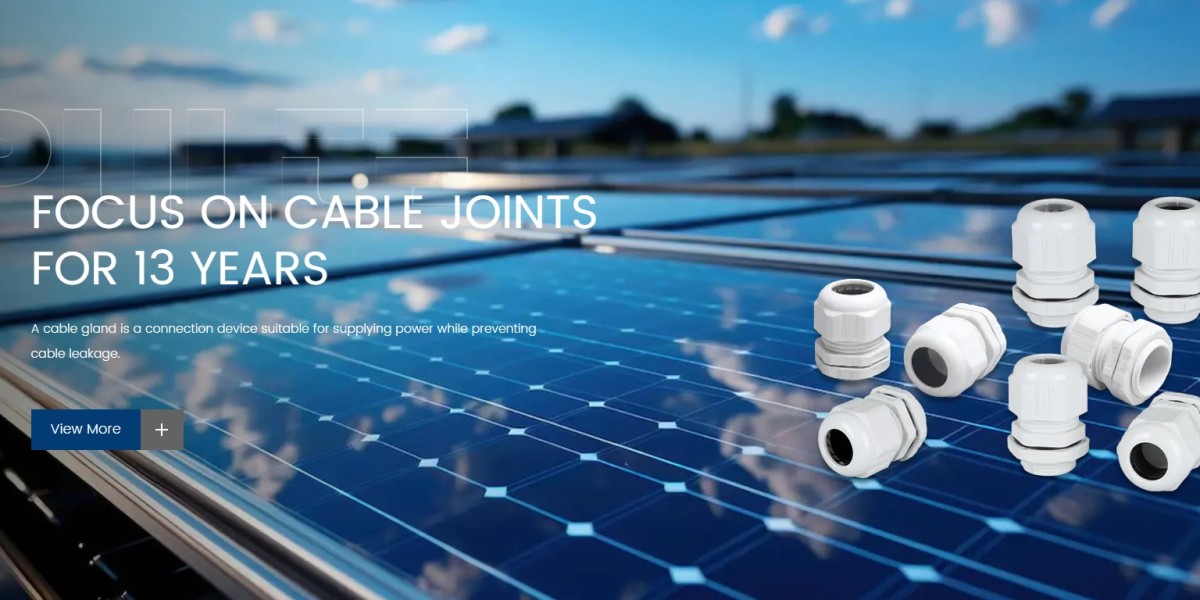
Maintaining ingress protection is a system effort: use cable glands rated to the enclosure’s IP class, apply strain relief to prevent mechanical stress on terminals, and orient entries to assist drainage rather than trap water. Sloped tops and drip edges reduce pooling near seams. For condensation-prone sites, incorporate breathable vents or desiccant chambers to control moisture while preserving protection. Wherever pipes or conduits penetrate the enclosure, reinforce seals with manufacturer-recommended gaskets or sealants to maintain continuity.
Installation checklist to reduce field surprises
Before mounting, verify substrate stability and vibration exposure; mount on a flat, rigid surface to avoid door misalignment. Confirm clearance for door swing and technician access. Torque glands and terminal lugs to manufacturer specs and perform an ingress test if possible. Photograph and document as-built wiring and gland choices for future crews; this simple step eliminates guesswork and reduces troubleshooting time in complex systems.
Maintenance strategies and lifecycle planning
Even high-quality enclosures need periodic attention. Inspect gaskets for compression set or cracking, verify fasteners remain tight, and clear vents and drains of debris. Replace consumables such as desiccants and filters on a predictable schedule, and keep a small onsite spares kit with common gaskets, glands, and fasteners to expedite repairs. Track inspections in a log to identify trends — increasing moisture incidents or fastener corrosion usually point to larger systemic issues.
Accessories and value-added options
Accessories broaden functionality: internal DIN rails, EMC shields, surge protection modules, and prewired subpanels speed installation and improve reliability. Factory-configured assemblies reduce onsite wiring time and lower the risk of incorrect terminations. For security-sensitive sites, consider lockable doors, tamper-proof fasteners, and alarmed openings to discourage unauthorized access and protect critical circuits.
A thoughtfully selected and properly installed outdoor distribution enclosure keeps systems running and technicians safe. Prioritize ingress rating, material resilience, thermal design, and maintainability to ensure that your field installations are durable and easy to service. For product details, compatible accessories, and specification sheets, visit https://www.nante.com/product/