
In the world of rock drilling and well construction, operators frequently encounter performance issues that aren’t always obvious at first glance. One of the most talked-about concerns among drill crews is why a DTH Hammer may slow down unexpectedly or exhibit inconsistent impact performance. These symptoms don’t always stem from poor rock conditions; instead, they often hint at deeper issues in the drilling chain.
A common situation reported across forums and job sites involves power drops during operation. Operators describe moments where the drilling pace suddenly decelerates or the hammer loses its “oomph” despite the compressor working as expected. In such cases, it’s worth inspecting the entire air delivery and tool alignment. Blocked air pathways or minor leaks in the air supply system can reduce the effective impact energy delivered downhole.
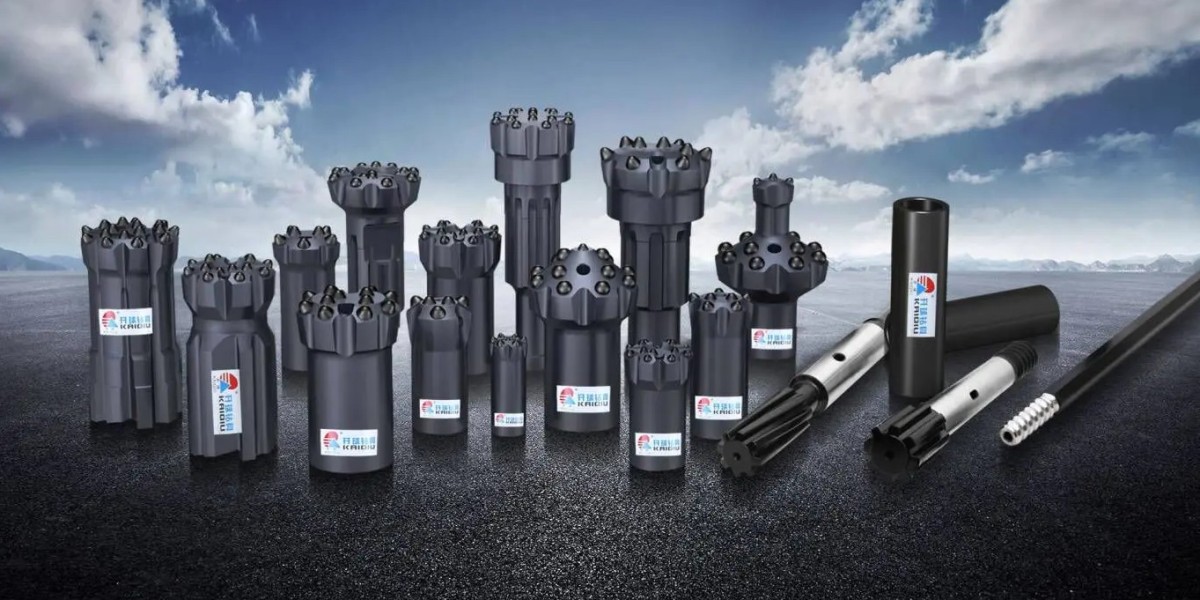
Another challenge arises when components in the drilling string are not well matched. For many users, incorrect coupling between drill rods and front-end tools may result in irregular energy transfer. That’s where a properly selected Shank Adapter becomes relevant — ensuring compatibility and stable connection is key to reliable drilling and reducing stress on the hammer mechanism.
Field crews also often report rapid wear on carbide buttons of the bits attached to the hammer. Button wear can drastically reduce penetration speed, particularly in abrasive formations. Careful monitoring of wear patterns, correct bit choices for the ground conditions, and timely replacement can prevent extended downtime.
Addressing vibration and noise increases is another daily concern. Excess vibration may not just be a noise nuisance — it can indicate loose assemblies or imbalance in rotating parts of the tool. Checking thread tensions, alignment, and lubrication before each shift helps mitigate these issues.
In summary, understanding the mechanics and common failure patterns reported by other drilling teams empowers operators to diagnose trouble faster and implement corrective steps before equipment performance deteriorates. Consistent inspection routines, proper component matching, and attention to air supply and bit condition help keep drilling projects moving smoothly.