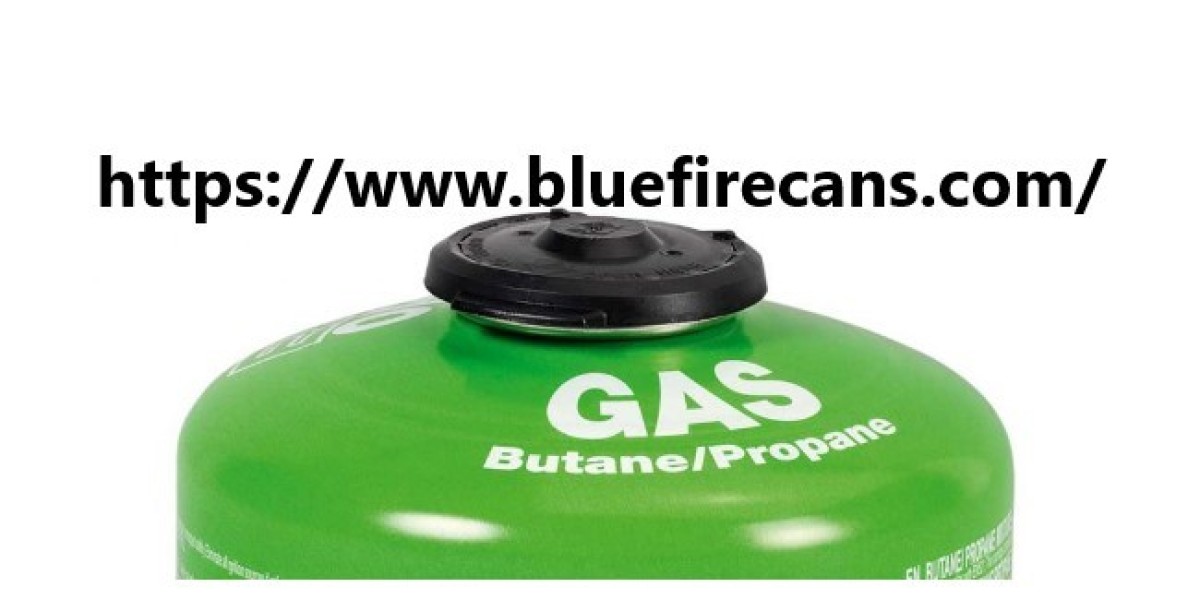

Bluefire 100 Gram Fuel Canister appears quietly in the gear list yet plays a loud role when a cold wind, a hungry group, or a delayed sunset conspire against a smooth camp dinner. A small change in conditions or how you handle that canister can shorten a cooking session and turn an ordinary evening into a scramble to boil water before nightfall. Understanding the everyday causes of reduced burn time helps you choose and use fuel more confidently so your next outing stays calm and efficient.
One of the biggest influences on how long a portable canister lasts is temperature. When conditions cool the balance between liquid and vapor inside the container shifts and less usable vapor reaches the burner. This is why routine advice from field guides suggests keeping a fuel cylinder warm before connection and sheltering it from wind during use to preserve steady output. Small habits like carrying the canister close to your body while hiking or setting up a simple windbreak around the stove have outsized effects on how long you get reliable heat.
Another common factor is how the equipment is assembled and used. Thread mismatch, loose fittings, or a worn valve can cause leaks or inconsistent flow which both shorten burn time and create safety hazards. Choosing a canister that fits mainstream stove fittings and paying attention to tactile checks before lighting prevents many avoidable losses. Manufacturers that emphasize consistent threading and inspection routines make these checks easier because spare parts and replacement adapters are more likely to fit when you need them.
The fuel blend itself matters too. Different mixes vaporize and deliver pressure at different rates under changing conditions. While marketing will often point to burn duration, real world performance depends on how a chosen blend behaves at the temperatures you expect to encounter and how it interacts with your stove design. That is one reason people who buy canisters from established suppliers look at product notes about compatibility and production standards before packing away a small fuel cylinder for a multi day trip.
How you operate the stove makes a practical difference every time you light it. Running a burner wide open wastes usable vapor quickly, especially when a canister has limited capacity. Lower simmer settings and using lids on pans reduce fuel demand and stretch the useful burn period. Simple maintenance like keeping valve threads clean and storing canisters upright also reduces the chance of partial liquid feed which can upset burner performance and shorten useful runtime. These are low effort steps that save fuel without changing gear.
Environmental factors beyond temperature also play a role. Wind robs heat from pots and forces burners to run harder to maintain boil. High altitude changes how fuels vaporize and can make a stove feel like it has less capacity than expected. Being mindful of site selection when cooking and orienting a stove to block gusts will lower fuel consumption and keep flame control predictable. Simple barriers and heat reflectors are field friendly solutions that help maintain steady output from a small canister.
Packaging and storage before use matter in ways people overlook. Long storage in hot vans or direct sunlight can change internal pressures and stress seals. Conversely storing fuel in freezing conditions without allowing a canister to warm before use can reduce vaporization and apparent burn time. Treat fuel as you would other perishable kit: store in a moderate environment when possible and condition the canister briefly in a protected pocket if you expect cold conditions at the cook site.
When you choose replacement canisters or spares think about compatibility and traceable production practices. Products described with consistent standards and clear specifications reduce the guesswork when matching parts on the trail. Packing a spare and learning a few quick swaps for connectors will reduce downtime caused by unexpected fitting issues. Buying from suppliers that list product categories and offer a clear catalog of cartridge options makes planning easier and helps you match fuel to the conditions you will face.
Small practices add up. Keep your canister warm before use when it is cold outside protect the flame from wind manage flame height during cooking and make sure threads and valves are clean and snug. Those actions are simple to adopt and they directly reduce the common causes of shortened burn time so a compact canister can serve its role reliably on extended trips. If you want to review product descriptions and find cartridge options for your next outing see the camping gas cartridge listings at https://www.bluefirecans.com/product/ .