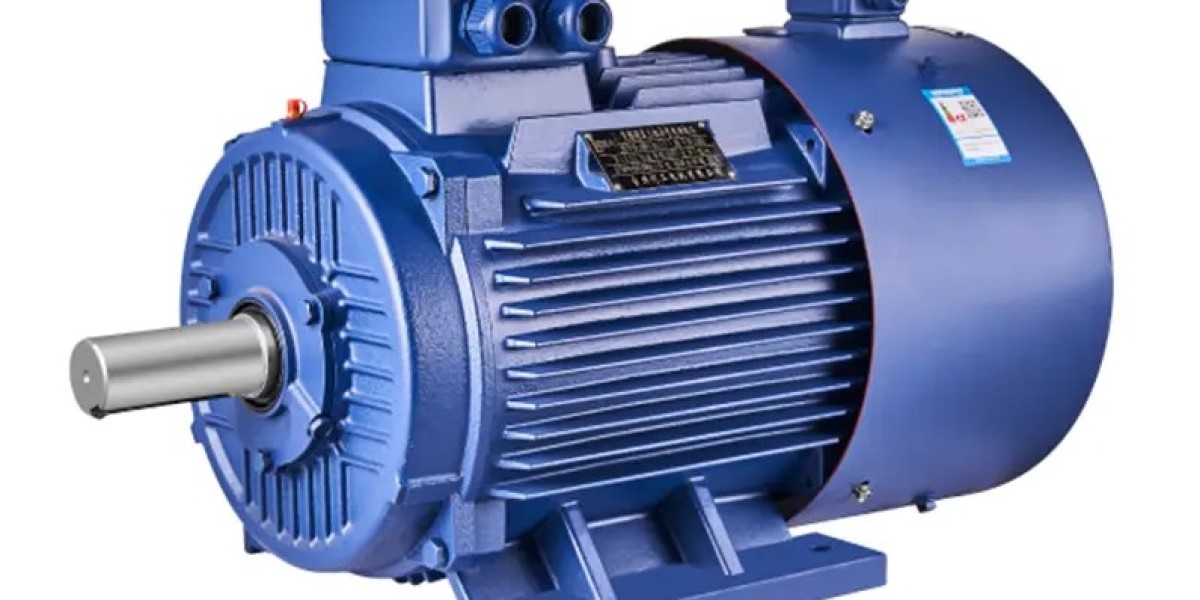

In industrial automation and manufacturing communities, one topic that often circulates among engineers and maintenance teams involves the trade-offs between energy savings and long-term reliability. Discussions around high-efficiency motors are especially common, with users wanting a clear understanding of what energy savings may translate to over the equipment’s lifespan. Many forum contributors highlight that while more efficient designs can lower operating costs, the actual savings depend heavily on duty cycles, maintenance practices, and system load patterns. Feedback from plant operations indicates that if a motor runs close to its full load capacity most of the time, the potential energy benefit becomes more meaningful compared to applications where the machine runs lightly loaded or intermittently.
Another topic that comes up frequently on discussion boards is performance under challenging conditions. For example, users involved in heavy industries, construction, or harsh environments often evaluate industrial asynchronous motors based on how well they tolerate dust, heat, and vibration. In these cases, posts suggest that reliable insulation systems and protective design features matter just as much as nominal efficiency ratings. Elevated operating temperatures, especially in asynchronous induction designs, can accelerate insulation wear and shorten maintenance intervals if not properly managed.
Additionally, when debating motor selection, participants often bring up starting methods and their impact. Some share that direct starting methods can produce high inrush currents, which in turn may influence long-term reliability—even if they don’t directly affect energy efficiency. This highlights a user concern that goes beyond labeled motor efficiency and towards practical operating realities.
Ultimately, engineers and buyers emphasize the importance of understanding the specific application environment and operational patterns before making equipment decisions. Efficiency is a key metric, but considerations such as insulation health, ambient conditions, and load variability are equally central to achieving dependable performance.