
In contemporary electrical installations, engineers frequently reference Cable Gland Adaptor solutions mid-discussion when evaluating methods to connect different cable diameters or transition between components while maintaining system integrity. These adaptors are designed to bridge cable sizes, improve compatibility with existing enclosures, and ensure proper sealing performance in environments with varying operational demands.
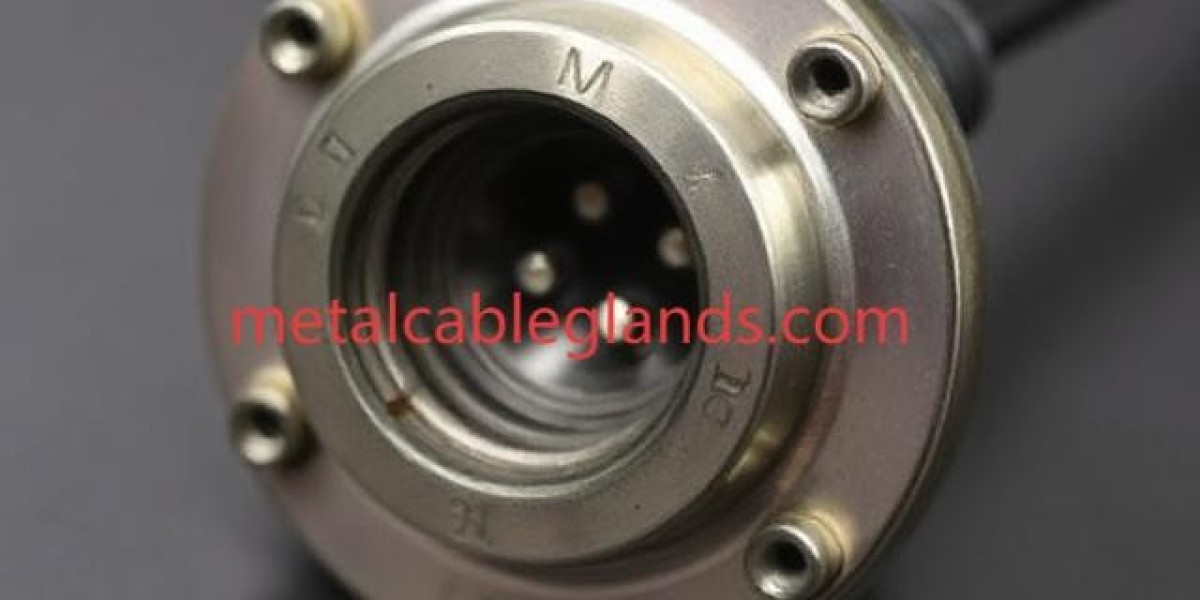
The materials chosen for cable gland adaptors play a central role in their effectiveness. High-quality polymers or metals are selected for their mechanical strength, durability, and resistance to environmental factors such as moisture, dust, and temperature fluctuations. Metal adaptors, such as those made from brass or stainless steel, provide exceptional strength and grounding capability, while polymer adaptors offer lightweight flexibility and inherent insulation benefits. The choice of material influences the overall lifespan of the adaptor and its ability to maintain a secure connection over time.
Beyond material selection, the core function of cable gland adaptors is to provide a reliable interface between cables and enclosures. They manage strain relief by securing cables at entry points, reducing the risk of mechanical stress on connectors or conductors. Adaptors ensure that cable entries remain stable even in environments subject to vibration, movement, or repeated handling. By maintaining consistent compression on cable jackets, adaptors help preserve insulation integrity and prevent the ingress of contaminants.
Performance characteristics of cable gland adaptors extend to their sealing capability. Adaptors must maintain environmental protection standards, particularly in industrial, renewable energy, and telecommunications applications. A well-designed adaptor establishes a firm seal around the cable while accommodating slight variations in diameter. This sealing behavior is crucial for ensuring that electrical enclosures remain protected from moisture, dust, and chemical exposure, thereby supporting reliable system operation over extended periods.
Electrical continuity and grounding are additional performance considerations, particularly for metallic adaptors. When properly installed, a metallic cable gland adaptor can provide a path for grounding between the cable shield and the enclosure. This capability helps mitigate electromagnetic interference (EMI) and contributes to overall system safety. In contrast, polymer adaptors may offer insulation advantages and reduce the risk of galvanic interaction when used alongside mixed-material components.
Adaptors also enhance system versatility and ease of installation. They allow engineers to connect cables of varying diameters to the same enclosure without modifying existing infrastructure. This flexibility is especially valuable in retrofitting projects or when upgrading systems to accommodate new cable standards. Quick installation and reliable performance reduce labor costs and minimize downtime during maintenance or expansion activities.
Cable gland adaptors find applications across multiple sectors. In industrial automation, they support motor control centers, sensor arrays, and machine control panels. In renewable energy installations, adaptors provide reliable cable entry for solar inverters, wind turbine controllers, and monitoring systems. In telecommunications, adaptors ensure that structured cabling networks maintain performance and environmental protection, particularly in outdoor or high-density installations. Across these applications, the combination of material properties, sealing ability, and mechanical stability ensures that adaptors perform consistently under operational demands.
Manufacturing precision is critical to achieving these performance goals. Zhejiang Hongjuesi Connector emphasizes controlled production processes and quality assurance to ensure that every cable gland adaptor meets rigorous standards. This approach ensures consistent internal geometry, effective sealing behavior, and reliable mechanical engagement, supporting the needs of engineers and technicians who rely on dependable solutions.
As electrical systems continue to evolve and integrate more complex cable layouts, Cable Gland Adaptor solutions play an essential role in maintaining connectivity, environmental protection, and operational reliability. For professionals seeking high-quality adaptors suitable for a variety of applications, more information is available at https://www.metalcableglands.com/product .