
PVC Ceiling Film have gained significant popularity in both residential and commercial sectors due to their durability, flexibility, and aesthetic qualities. These films, made from high-quality polyvinyl chloride (PVC), are an ideal choice for modern ceiling applications, offering excellent resistance to moisture, heat, and UV light. In this article, we will discuss the material properties, manufacturing process, performance characteristics, and the wide range of applications for PVC ceiling films, with a special focus on the high standards maintained by Shanghai MSD in producing these films.
The primary raw material for PVC ceiling films is polyvinyl chloride, which is a synthetic polymer that provides outstanding resistance to environmental factors. The material is treated with a combination of plasticizers, stabilizers, and additives to enhance its flexibility, durability, and performance. PVC ceiling films are known for their high tensile strength, which makes them resistant to tearing and puncturing. Additionally, these films exhibit exceptional moisture resistance, which is particularly useful in areas such as kitchens, bathrooms, and other high-humidity environments.
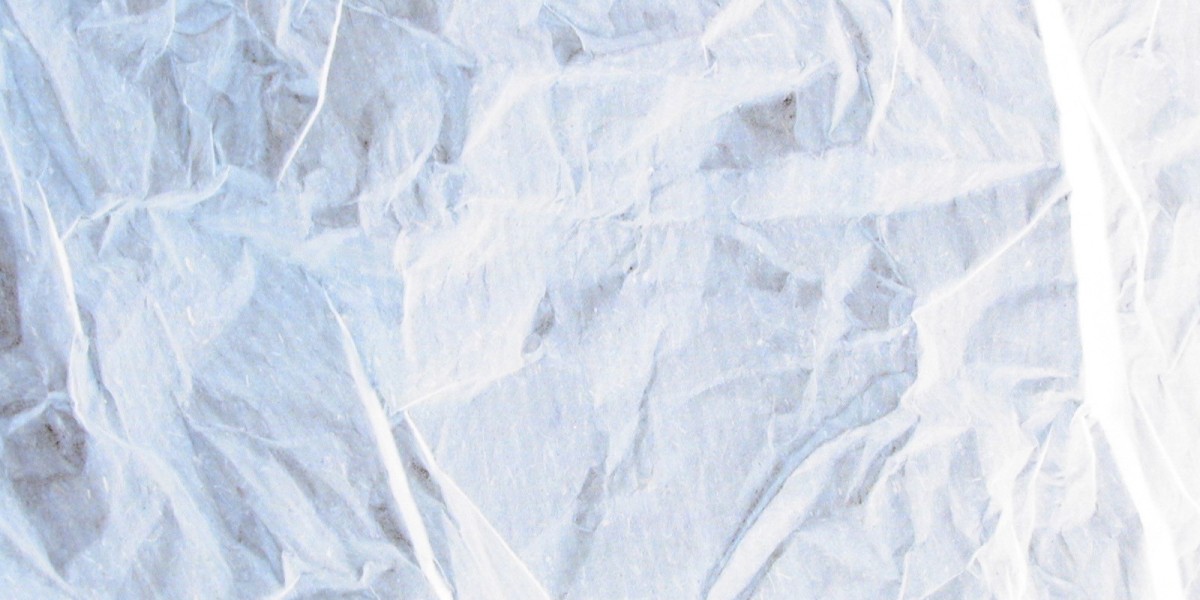
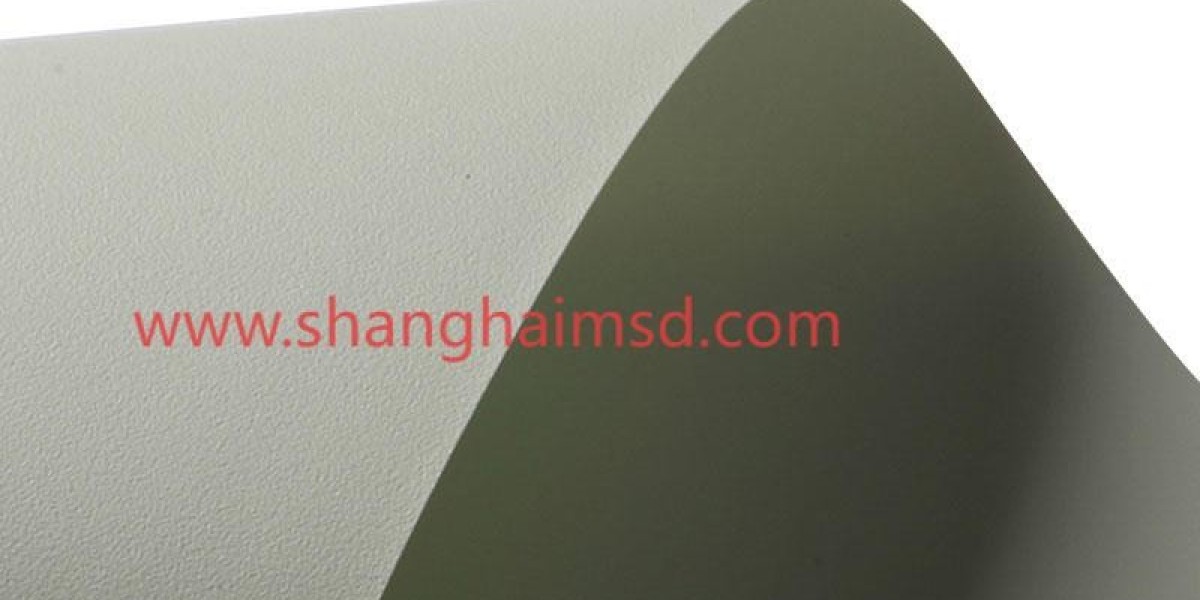
One of the key features of PVC ceiling films is their ability to reflect light, which makes them an excellent choice for creating bright, airy spaces. The films can be manufactured with a glossy or matte finish, allowing for design flexibility depending on the desired aesthetic of the room. PVC ceiling films can also be made in a wide range of colors and patterns, providing further customization options for designers and homeowners. The material’s ability to be embossed with different textures adds to its versatility, allowing it to mimic the appearance of other materials such as wood or metal.
The production of PVC ceiling films involves several steps to ensure the highest quality standards. First, PVC resin is mixed with other materials such as plasticizers and stabilizers to create a flexible, durable compound. The mixture is then heated and extruded through a die to form a continuous sheet. This sheet is cooled and stretched to the desired thickness, resulting in a smooth and consistent film. Shanghai MSD employs cutting-edge extrusion technologies to ensure that each film produced is of the highest quality, with uniform thickness and surface texture.
Once the PVC film is formed, it undergoes additional processes such as surface treatment, lamination, and embossing. Surface treatments are applied to improve the film's ability to adhere to adhesives or other materials. Lamination allows for the addition of protective coatings, which enhance the durability and resistance of the film to wear and tear. Embossing provides an opportunity to add unique textures to the surface, increasing its aesthetic appeal and making it more suitable for different interior design styles.
PVC ceiling films are tested rigorously to ensure they meet industry standards for performance and safety. Key properties such as fire resistance, UV stability, flexibility, and moisture resistance are all evaluated. Fire resistance is an essential property for ceiling materials, as it helps to prevent the spread of flames in case of a fire. UV resistance ensures that the film does not degrade or discolor when exposed to sunlight over time. Flexibility is tested to ensure the film can withstand the stretching and installation process without damage. Moisture resistance is particularly important for environments that are prone to high humidity, such as bathrooms or kitchens.
The applications of PVC ceiling films are diverse and far-reaching. In residential spaces, these films are commonly used in stretch ceiling systems, where the film is mounted onto a frame and stretched tight to create a smooth, seamless ceiling. This installation method is quick and efficient, requiring minimal disruption to the space. PVC ceiling films are also used in commercial settings, such as hotels, restaurants, and offices, to create aesthetically pleasing, low-maintenance ceilings. Their ability to reflect light and improve the brightness of a room makes them an excellent choice for spaces with limited natural light.
Another key benefit of PVC ceiling films is their sound insulation properties. These films can help reduce noise levels in a room, making them ideal for offices, conference rooms, and residential spaces where noise reduction is a priority. The material's ability to absorb sound also contributes to a more comfortable environment, whether in a home or a business setting.
The healthcare sector also benefits from PVC ceiling films. Hospitals, clinics, and other healthcare facilities require ceiling materials that are durable, hygienic, and easy to clean. PVC ceiling films are ideal for these environments due to their resistance to bacteria, moisture, and other contaminants. The smooth surface of the film also makes it easier to wipe down and maintain, ensuring a clean and safe environment for patients and staff.
Shanghai MSD is a leading manufacturer of PVC ceiling films, providing high-quality products that meet the specific needs of various industries. The company uses advanced technology and stringent quality control measures to ensure that every film produced is durable, flexible, and aesthetically pleasing. Shanghai MSD’s commitment to innovation and quality ensures that their products continue to meet the evolving demands of the global market.For more information on PVC ceiling films and their applications, visit www.shanghaimsd.com .