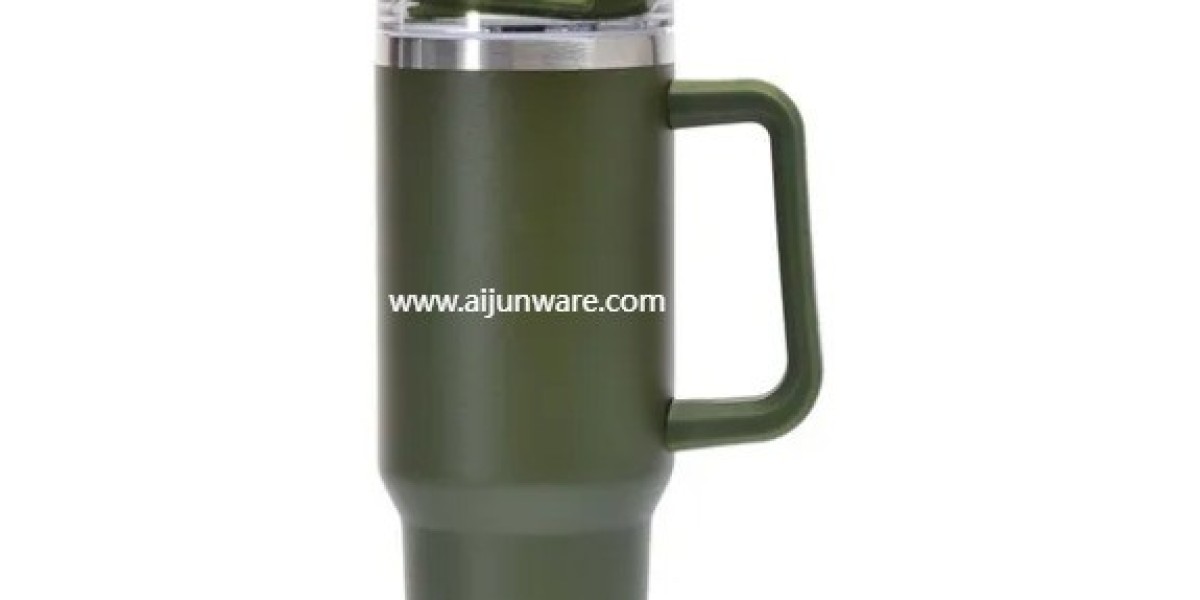

Morning commutes and long road trips share a common challenge: keeping beverages at the right temperature while navigating traffic or cruising highways. A quality Thermos Car Mug solves this problem, but finding one that actually fits your vehicle's cup holder transforms convenience into genuine comfort. Many drivers discover their purchase doesn't sit securely in their console, leading to spills, frustration, and wasted money.
Vehicle cup holders vary dramatically in diameter, depth, and shape. Some accommodate wide-bottomed containers, while others feature narrow, deep spaces designed for standard bottles. Before purchasing any insulated mug, measure your cup holder's dimensions carefully. Grab a ruler or measuring tape and check both the opening diameter and the depth. This simple step prevents disappointment when your new mug wobbles precariously or refuses to fit entirely.
Consider the base design of your prospective mug. Tapered bottoms slide easily into most holders but may lack stability during sudden stops or sharp turns. Straight-sided designs offer better grip but require precise dimensional matching. Rubber grips or silicone bases enhance stability, preventing the mug from rattling against plastic surfaces during drives. These features matter particularly on bumpy roads or during aggressive driving maneuvers.
Handle presence affects fit significantly. Some vehicles have cup holders positioned close together, making handled mugs impractical. Others feature spacious consoles where handles improve grip without causing interference. Evaluate your vehicle's layout before deciding between handled and handleless options. Test positioning mentally: will the handle block gear shifts, parking brake access, or other controls?
Lid design impacts daily usability beyond temperature retention. Flip-top lids offer quick access but may interfere with overhead consoles or low rooflines when opened. Slide closures provide low-profile convenience, though some leak when tipped. Screw-on lids deliver superior seal quality but demand two hands to operate—challenging while driving. Your lifestyle dictates which compromise works for your situation.
Capacity selection requires honest assessment of drinking habits. Larger mugs hold more liquid but occupy more vertical space, potentially blocking dashboard vents or sightlines. Smaller options fit tidier spaces yet require frequent refills during extended journeys. Balance your hydration needs against your vehicle's spatial constraints. Remember that wider mugs with shorter heights often hold comparable volumes to taller, narrower designs.
Material composition influences both performance and compatibility. Stainless steel construction provides durability and insulation but adds weight. Some cup holders struggle supporting heavier mugs when full, particularly those with spring-loaded mechanisms. Lighter materials reduce strain on mounting hardware while potentially sacrificing temperature retention capabilities. Consider your holder's construction strength when evaluating material options.
Interior finish matters for cleaning convenience. Smooth surfaces resist staining and rinse clean quickly, while textured interiors might trap residue. Coffee, tea, and other beverages leave oils and discoloration over time. Thermos Car Mug options with removable components simplify thorough washing, extending product lifespan and maintaining taste neutrality between different beverages.
Temperature retention duration varies across products. Some maintain heat for several hours, while others cool within sixty minutes. Match retention capabilities to your actual usage patterns rather than seeking excessive performance. Commuters might need two hours of warmth, whereas road trippers require all-day retention. Overpaying for unnecessary capacity wastes resources without delivering practical benefits.
Color and finish choices extend beyond aesthetics. Lighter exteriors show fingerprints and scratches readily, while darker tones hide wear patterns. Powder-coated finishes resist chips and provide grip, though they may wear through eventually. Bare metal surfaces develop patina but endure indefinitely. Select finishes aligning with your tolerance for visible aging and maintenance effort.
Price ranges span from budget-friendly to premium territory. Higher costs sometimes reflect superior insulation technology, innovative lid mechanisms, or extended warranties. However, expensive doesn't guarantee compatibility with your specific cup holder dimensions. Prioritize fit and functionality over brand prestige or flashy features. A moderately priced Thermos Car Mug that fits perfectly outperforms an expensive one that wobbles dangerously.
Test your purchase immediately upon arrival. Fill it with water and place it in your cup holder before removing tags or discarding packaging. Drive around your neighborhood, taking turns and stops at various speeds. This trial reveals stability issues, lid security, and any interference with vehicle controls. Easy returns become complicated once products show usage signs.
Finding the right insulated mug enhances daily driving experiences substantially. Your morning coffee stays hot, afternoon water remains cold, and spills become rare memories rather than regular occurrences. Thoughtful selection based on actual measurements and honest needs assessment delivers satisfaction that lasts through countless commutes and adventures.
For those seeking reliable options that combine quality construction with thoughtful design, exploring various styles helps identify personal preferences. Visit https://www.aijunware.com/product/ to examine different configurations and find solutions matching your specific requirements.