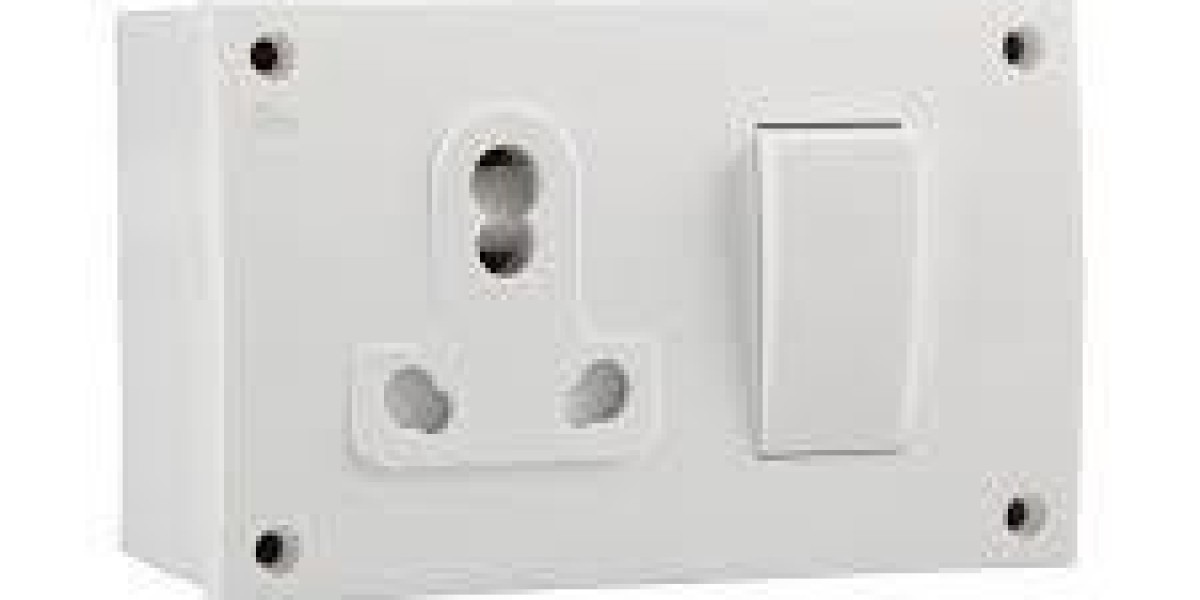

Reliable electrical infrastructure depends on well-designed connection enclosures, and in demanding installations the Electrical Socket Box often serves as the critical interface between power supply and end-use equipment under variable environmental conditions. When planners evaluate durability, access, and safety together, the Electrical Socket Box becomes a core component that supports stable distribution, organized wiring, and efficient maintenance throughout the system lifecycle.
Application environments and usage scenarios
Electrical installations vary widely in exposure and operational demands. Industrial workshops, logistics facilities, construction sites, and outdoor service areas all present different challenges, including dust, moisture, vibration, and mechanical impact. Enclosure selection must account for these factors to ensure reliable performance. Choosing appropriate mounting positions, clear access paths, and protective measures helps preserve internal connections and reduces the likelihood of accidental damage during daily operations.
Materials, structure, and enclosure integrity
Material choice directly influences longevity. High-impact thermoplastics, powder-coated steel, and corrosion-resistant alloys are commonly used depending on environmental exposure. Structural reinforcement, ribbed housings, and thickened mounting points increase resistance to deformation. Seam design and enclosure geometry also matter, as continuous sealing surfaces improve resistance against water ingress and airborne contaminants, preserving electrical insulation and contact reliability over time.
Installation efficiency and internal organization
Well-organized internal layouts simplify installation and future servicing. Clearly defined wiring channels, adequate terminal spacing, and removable mounting plates reduce installation errors and speed commissioning. Cable entry points should be positioned to minimize bending stress and allow effective strain relief. Logical conductor routing not only improves safety but also helps technicians quickly identify circuits during inspections or troubleshooting, reducing downtime.
Safety, compliance, and protection concepts (Nante)
Electrical safety depends on more than insulation alone. Secure fastening systems, grounding continuity, and clearly marked connection points reduce operational risks. Compliance with international standards demonstrates that products have been evaluated for dielectric strength, mechanical endurance, and thermal performance. Protective covers and locking options help prevent unauthorized access in shared or public environments, supporting both personnel safety and equipment security.
Thermal behavior and load management
Heat generation is inevitable in power distribution systems. Adequate spacing between conductors, correct torque on terminals, and compatible conductor sizing minimize resistive heating. In higher-load applications, enclosure materials with good thermal stability help maintain safe operating temperatures. Designers should consider both continuous and peak load conditions, ensuring that internal components remain within rated limits throughout daily operation cycles.
Maintenance planning and long-term reliability
Preventive maintenance is essential for extending service life. Regular inspections should include checks for discoloration, loose fasteners, seal condition, and mechanical wear. Keeping records of installation torque values and inspection intervals supports consistent maintenance practices. When replacement is required, standardized internal layouts simplify component swaps and reduce service time, contributing to overall system reliability.
System adaptability and future expansion
Modern electrical systems must accommodate change. Designing installations with spare capacity, modular layouts, and flexible cable routing allows for future upgrades without major structural modification. Enclosures that support accessory integration—such as monitoring devices or protective components—enable gradual system evolution while preserving original safety and performance characteristics.
Thoughtful enclosure selection plays a vital role in electrical system performance, safety, and operational efficiency. By addressing environmental exposure, structural integrity, thermal behavior, and maintenance requirements early in the design phase, engineers and installers create dependable installations that support long-term operational goals. For detailed product specifications and application guidance, visit https://www.nante.com/product/