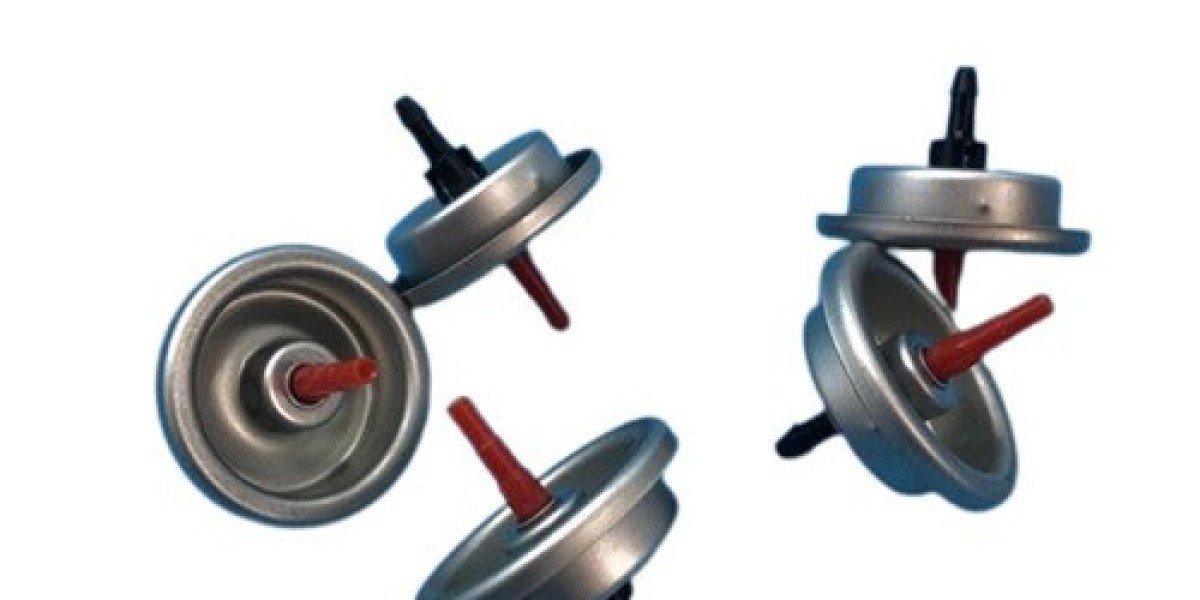

A steady technique helps when working with portable cooking gear. A common option for compact burners is the 230g Screw Top Gas Canister and handling it with care makes routine setups safer for everyone. Begin by inspecting the canister for dents or damage and choose a flat stable surface with good ventilation. Remove any nearby flames and clear the area of loose fabric or paper. Gather simple gloves and a small cloth to protect hands and to keep threads free of grime.
Before you connect the fuel source make sure the stove control is fully off and that pans are removed. Keep your face and clothing away from the connection point. Align the connector visually and start threading with slow steady turns using hand pressure only. Do not force the mechanism if it resists. Back off and check for cross threading which can damage seals. A snug manual fit is the goal.
After you attach the canister perform a leak test. Keep the stove control off and apply a little soapy water to the joint with a cloth or sponge and watch for bubbles. If bubbles appear detach the canister and inspect the valve and gasket for dirt or nicks. Replace seals that look worn and try again with a new canister if needed.
When you finish cooking turn the control fully off and allow the appliance to cool. Unscrew the canister slowly and remain ready to step back in case any residual gas escapes. Listen for a short hiss and give a moment for any trapped gas to dissipate. Store used containers upright in a ventilated location away from heat and direct light.
Avoid using damaged fittings or plastic connectors that show cracks. Replace suspect parts and do not attempt to repair threads with improvised tools. Carry a small gasket kit and spare seals if you travel frequently. Keep children and pets at a safe distance while you work and communicate with companions so no one disturbs your setup.
Transport canisters upright and secure them so they cannot roll or be crushed. Do not leave them inside hot closed vehicles. Store unused canisters in a cool dry cabinet with ventilation. Rotate stock so older units are used before newer ones and never attempt to refill single use containers.
If you often cook outdoors adapt the setup to changing weather. Use a low profile base and position a wind shield at a safe distance so that you do not create a closed space around the flame. Avoid moving a hot stove assembly and do not relocate a lit device. Build a habit of checking connections before each use.
Practice steady hand movements and avoid tools that can deform metal or plastic threads. Hand tighten and listen for changes in how the connector feels as you turn. A smooth consistent motion reduces the chance of cross thread damage and helps maintain a reliable seal.
Keep a basic fire extinguisher and a metal lid nearby for small incidents. Learn how to smother small flames and evacuate safely if a situation becomes unsafe. Maintain calm and act deliberately if you detect a strong gas smell.
Regular inspection and simple routines prevent many mishaps. Tighten only by hand apply a leak test and replace parts that show wear. Small habits make portable cooking safer and help gatherings remain relaxed and secure. Consider carrying a small maintenance kit with spare gaskets a soft brush a cloth and simple replacement seals to keep connections clean and to handle minor wear when access to parts may be limited during trips. For parts guidance and resources visit https://www.bluefirecans.com/ .