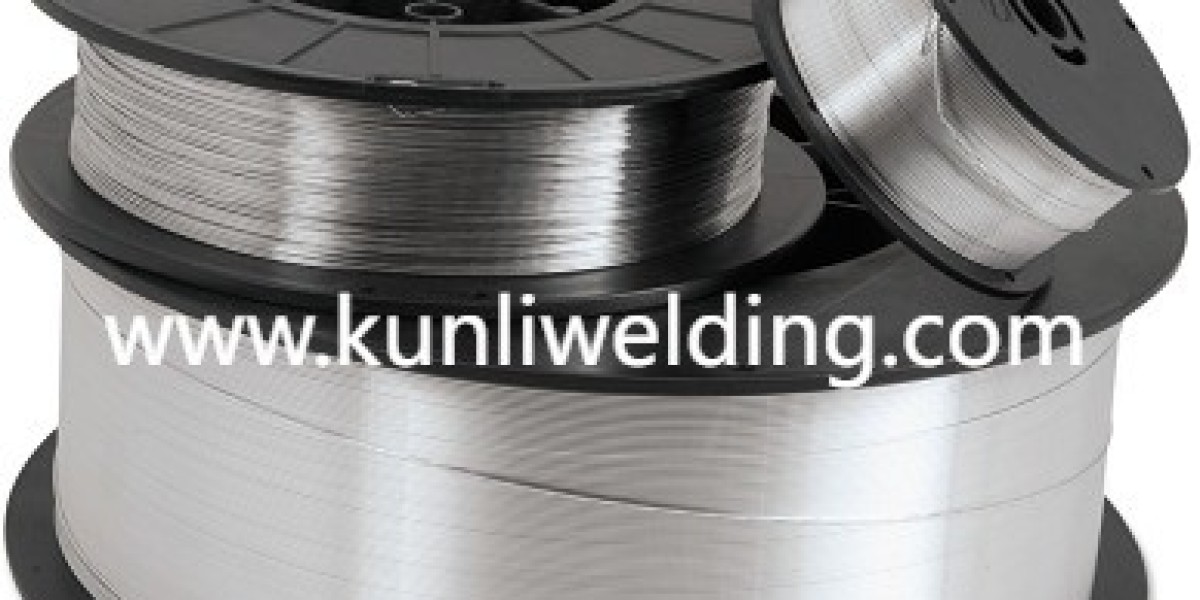

Selecting appropriate filler materials for aluminum fabrication projects requires understanding the performance characteristics that differentiate similar alloy compositions. While several aluminum magnesium welding wires share overlapping application territories, specific scenarios favor particular formulations based on their distinct properties. Aluminum Welding Wire ER5183 occupies a unique position within the alloy spectrum, offering attributes that make it the preferred choice under certain conditions where other options may not perform adequately or efficiently.
Marine applications involving elevated magnesium aluminum alloys represent prime territory for this filler material. Base metals in the higher magnesium range require compatible filler compositions that match their strength levels and corrosion resistance characteristics. Using lower magnesium filler with higher magnesium base metal creates strength mismatches that underutilize the base material capabilities. This wire provides the necessary strength match while maintaining good corrosion resistance in saltwater environments where marine structures spend their operational lives. Boat builders, shipyards, and offshore platform fabricators working with these alloys find this composition delivers the performance balance their applications demand.
Anodizing considerations influence filler selection when finished assemblies will receive decorative or protective surface treatments. Different aluminum alloys respond to anodizing processes with varying color development, creating potential for visible mismatches between weld areas and surrounding base metal. Aluminum Welding Wire ER5183 produces anodized color tones that blend acceptably with higher magnesium base alloys, minimizing the aesthetic discontinuities that could make welds visually prominent after surface treatment. Architectural applications, consumer products, and decorative assemblies where appearance matters alongside function benefit from this color matching capability.
Elevated temperature service creates demands that not all aluminum filler materials address equally. Applications involving sustained heat exposure require compositions maintaining strength retention and creep resistance as temperatures climb. This particular alloy demonstrates favorable elevated temperature properties compared to some alternatives, making it suitable for components experiencing thermal loads during operation. Heat exchangers, engine components, and industrial equipment exposed to process heat represent scenarios where thermal performance characteristics guide material selection decisions.
Crack sensitivity variations among aluminum alloys affect which filler materials successfully join particular base metal combinations. Some aluminum magnesium alloys exhibit hot cracking tendencies during solidification when welded with incompatible filler compositions. The solidification characteristics of this wire composition make it less prone to hot cracking when joining susceptible base materials, providing a more forgiving option for challenging alloy combinations. Fabricators encountering cracking problems with other filler materials often find switching to this composition resolves their difficulties without requiring process modifications.
Strength requirements in structural applications sometimes exceed what lower magnesium filler alloys can provide. When joint strength becomes the governing design criterion, higher strength filler materials enable meeting load requirements without oversized weld sizes or redundant joint configurations. This capability proves valuable in weight sensitive applications where minimizing weld volume reduces overall assembly mass. Aerospace components, racing equipment, and portable structures benefit from the strength this wire delivers relative to lower magnesium alternatives.
Thick section welding presents thermal management challenges that different filler compositions handle with varying degrees of success. Multi pass welding on heavy plates generates heat accumulation that can affect microstructure and mechanical properties in the weld zone. The solidification and heat treatment response characteristics of this alloy composition suit it for thick section applications where other options might develop undesirable microstructural features during the repeated thermal cycling that multi pass welding imposes.
Repair scenarios involving unknown base metal compositions create uncertainty about filler compatibility. When base alloy identification proves difficult or impossible, selecting a versatile filler material with broad compatibility reduces risk of mismatches causing joint failure. This wire's composition provides reasonable compatibility across a range of aluminum magnesium alloys commonly encountered in repair work, making it a safer choice when complete material knowledge is unavailable.
Understanding these application specific advantages helps fabricators and engineers match filler materials to project requirements systematically rather than relying on arbitrary preferences or limited past experience. Comprehensive material selection guidance and aluminum welding wire products are available at www.kunliwelding.com to support fabrication decisions across diverse applications.