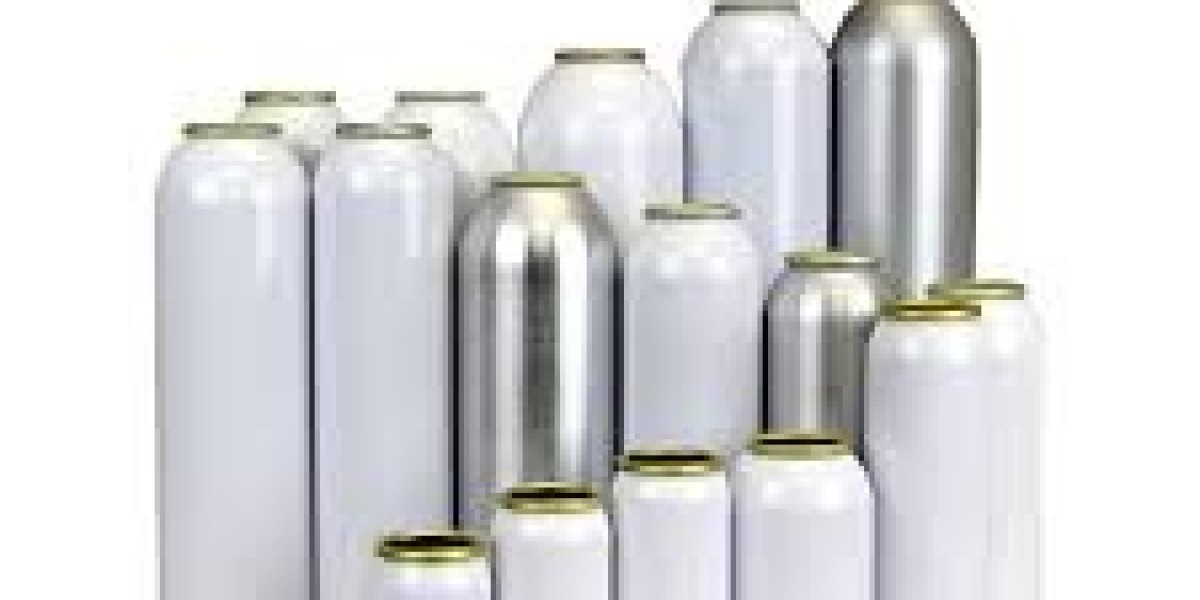

Everyday items sit on store shelves looking simple until something goes wrong during use. The Two-Piece Aerosol Can appears at the heart of many of those items and when internal pressure is off the result can be anything from disappointing performance to a safety concern that demands attention. The quiet engineering behind a can determines whether a pump sprays a fine mist or a sudden burst, and that engineering is now getting more scrutiny as consumers share safety stories widely online.
When internal pressure is higher than intended the can body and valve experience extra stress. That can lead to bulging leaking or unpredictable discharge which creates obvious hazards when a consumer is nearby. Low pressure presents a different problem the product will not dispense correctly and consumers assume the formulation or valve is at fault. Both scenarios hurt brand trust and fuel conversations across social channels where people post images and warnings about damaged containers. Manufacturers address this by designing filling and inspection steps intended to keep pressure inside expected ranges before a can leaves the factory.
Valve function is central to how pressure translates into user experience. A valve must hold the internal environment sealed while permitting a controlled flow when actuated. If the pressure deviates from targets gaskets and stems can deform or fail to seal properly resulting in drips splatters or blocked output. For makers of products that must deliver consistent dosing this is a production priority and many producers document their valve tests and machining tolerances to reassure brand customers about performance consistency.
Material choices and forming techniques shape the container response to unusual pressure. A drawn and stretched metal body gives a uniform surface that spreads stress more evenly than containers assembled from multiple pieces. The drawn body approach also supports high quality printing and better dimensional control which matters when a packaged product must look as good as it performs. Attention to coating and internal lining selection reduces the chance that interaction with the product will lead to corrosion or weakening over time. These manufacturing details influence how resilient a can is after storage or rough handling.
Good filling practice and quality control catch many problems before a product reaches retail. Automated filling lines with repeatable controls plus verification checks reduce the risk of both overfilling and underfilling. Marking trace codes and inspection stamps on the base of a can do more than label a batch they create traceability so issues can be investigated and corrective steps taken faster. That transparency in production and the willingness to show key checks are part of what some suppliers now highlight when they talk to brand teams about packaging choices.
The public conversation around packaging safety has a visible ripple effect across industries. When a concerning post about a can appears online retailers and brand owners often react quickly to review supply steps and supplier practices. That feedback loop is prompting several suppliers to add clearer production notes to product pages and to talk more openly about inspections and compatibility with common valves and actuators. Clear information at the point of purchase reduces the chance of surprises for retailers and end users and helps maintain a steady chain of trust.
Users can take sensible precautions to reduce risk at the point of sale and during storage. Keep aerosol containers out of direct sunlight and avoid exposing them to heat sources. Inspect cans before purchase or use and do not buy or handle items that show deformation or leakage. If a can looks suspect do not try to open or repair it. Retailers who train staff to spot irregular containers and who present safe storage advice help protect customers and minimize incidents that could generate negative public attention.
Product teams and packagers face a balancing act. They must choose materials production techniques and valve assemblies that work with the product formulation and distribution plan. Vendors that explain their forming steps thread precision and inspection routines make it easier for brand teams to match packaging to product demands and shipping realities. The more a supplier clarifies how they control pressure related failure modes the fewer surprises appear after launch.
Sustainability and responsible disposal are now part of consumer expectations. Many two piece designs use recyclable metals and formation techniques that support a circular approach to materials. Manufacturers that tie safe handling guidance to recycling suggestions on their product pages help consumers close the loop after use. This connection between safety and stewardship resonates with people who follow environmental and product safety conversations in public forums.
If you are specifying containers for retail or industrial goods ask potential suppliers about their forming equipment valve testing and inspection flow. Ask for production notes that demonstrate traceability and consistent pressure control. Suppliers who provide clear notes about how they test for pressure related issues make it easier to pick packaging that aligns with product chemistry and distribution demands. To review product categories and production details visit the product area at https://www.bluefirecans.com/product/ where manufacturing notes and container choices are presented to help you match packaging to product needs.