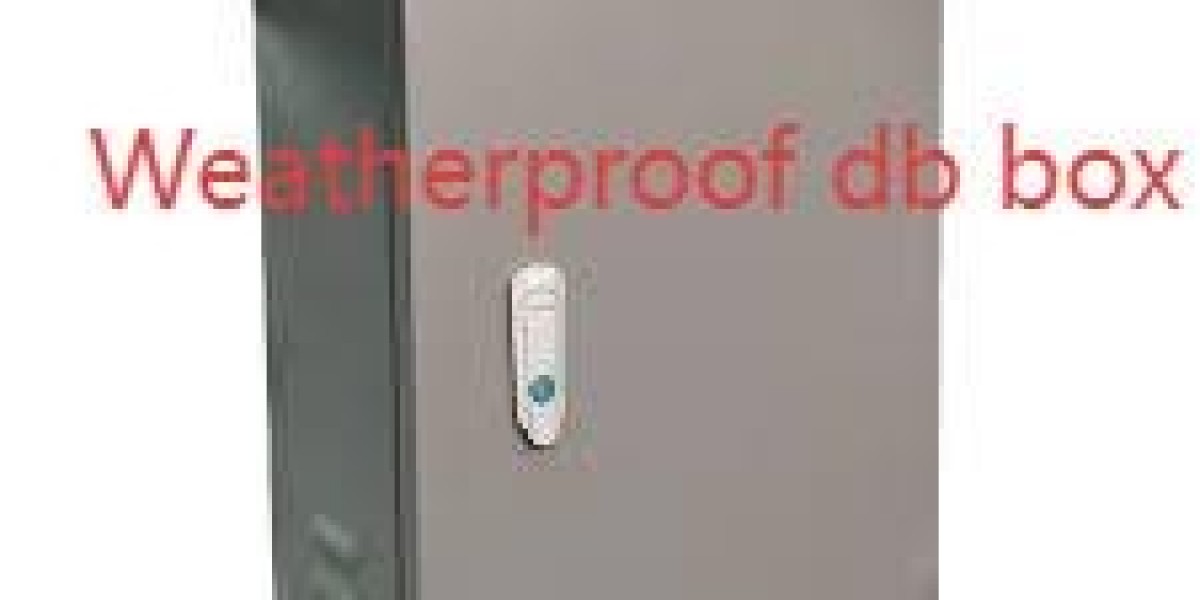

In environments where electrical systems face moisture, dust, and temperature swings, choosing the right enclosure is essential — and that’s why a Weatherproof db box placed correctly can mean the difference between uninterrupted service and costly failures. Thoughtful design balances ingress protection, corrosion resistance, and maintainability so technicians can service equipment quickly while assets remain safe. From material selection to gasketing, each decision influences lifetime performance and operational risk.
1. Purpose and Application
A weatherproof distribution box protects circuits, junctions, and controls outdoors or in harsh interiors. Typical uses include street lighting controls, pump stations, outdoor advertising power, and small distributed solar inverters. Properly sized compartments provide room for wiring bends, terminal blocks, and future expansion — avoiding cramped installations that accelerate wear.
2. Standards and Ingress Protection
Ingress Protection (IP) ratings define how well an enclosure resists dust and water. For most outdoor electrical installations, IP65 or above is recommended to protect against jets of water and airborne particles. In coastal or chemical environments, additional testing — like salt spray and UV-aging — helps confirm long-term resistance. Compliance with regional electrical codes ensures safe integration with protective devices and grounding systems.
3. Materials and Corrosion Resistance
Enclosure materials range from powder-coated steel and stainless steel to glass-reinforced polyester (GRP) and high-grade plastics. Powder-coated steel offers structural strength but requires high-quality coatings to prevent rust; stainless steel provides durability for corrosive sites at a premium cost. GRP is lightweight, non-conductive, and naturally corrosion-resistant, making it attractive for many outdoor installations. Gasket selections (silicone, EPDM) and marine-grade fasteners also play a major role in sealing longevity.
4. Practical Installation Features
Well-designed boxes simplify installation and maintenance: external mounting feet, removable gland plates, internal rails for DIN-mounted components, and clearly labeled knockouts reduce on-site labor. Hinges and latches should allow safe access without removing the entire panel. Thoughtful cable-entry design — with dedicated gland chambers and drain paths — prevents moisture accumulation around terminals.
5. Testing, Documentation, and Nante Support
Quality assurance includes mechanical inspections, functional tests, and environmental trials. Routine batch testing (pull tests for mounting, torque checks on hardware, and thermal cycling) verifies that production meets design intent. Manufacturers who provide clear datasheets, wiring diagrams, and lifetime maintenance guides reduce installer errors. Nante offers technical support, dimensional drawings, and customization options for nonstandard requirements.
Maintenance Best Practices
Routine visual inspections catch seal degradation, paint damage, and loose fasteners before they cause failures. Cleaning ventilation paths, replacing compressed or hardened gaskets, and checking earthing connections are simple tasks that extend service life. In highly corrosive environments, schedule more frequent inspections and consider sacrificial coatings or replaceable hardware to lower lifecycle costs.
Environmental and Lifecycle Considerations
Sustainability is increasingly important. Choosing recyclable materials, designing for disassembly, and enabling modular repairs minimize waste. Extending an enclosure’s useful life through replaceable gland plates or modular inner panels reduces the environmental footprint compared with single-use assemblies.
Selecting the Right Specification
Match the enclosure’s rating, material, and internal layout to the application: an IP66 stainless enclosure for a seaside pump station, a GRP IP65 box for roadside signage, or a ventilated, thermostat-controlled cabinet for battery systems. Request sample units, review test certificates, and verify lead times when planning projects to ensure compatibility with installation schedules.
Final Thoughts and Where to Learn More
A robust outdoor electrical strategy begins with the right box: one that protects components, eases maintenance, and withstands the local environment. Choosing tested constructions and following a clear maintenance schedule protects uptime and reduces long-term costs. For product catalogs, technical specifications, and authorized distributor information, visit www.nante.com