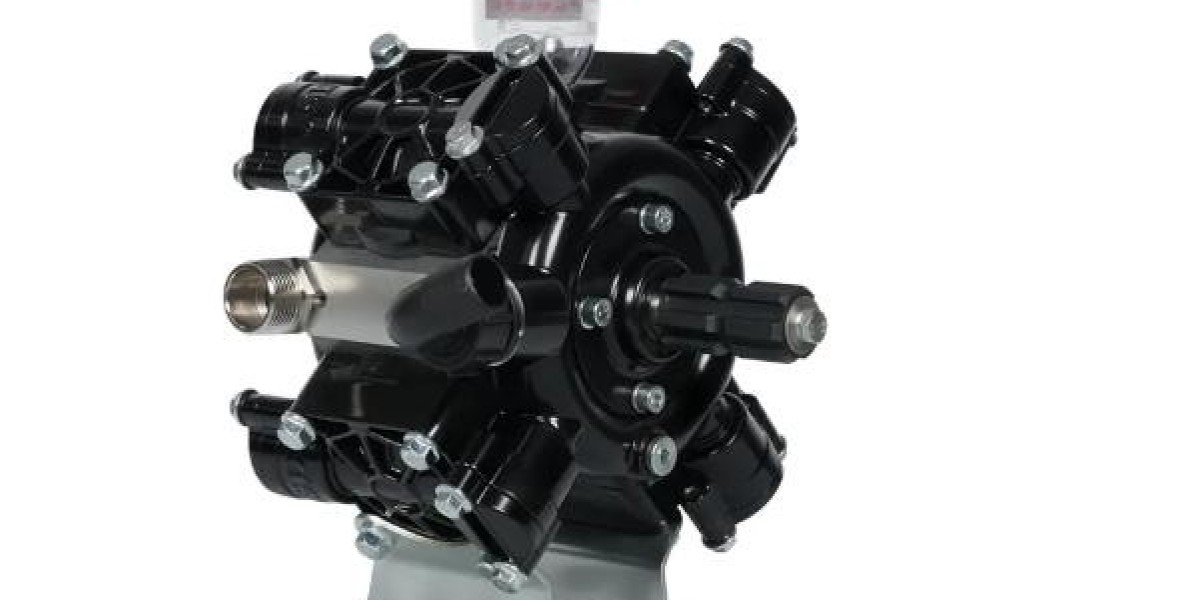

A Diaphragm Pump For Pesticides can make chemical application on farms more reliable and efficient. These pumps are designed to handle a wide variety of herbicides, insecticides, and liquid fertilizers while maintaining steady pressure for multiple nozzles. Understanding how they operate and what to look for when sourcing one helps farmers save time, reduce downtime, and protect equipment investments.
One of the main reasons farmers choose these pumps is their chemical resistance. Diaphragm materials like EPDM and PTFE, combined with housings made of polypropylene or stainless steel, can handle aggressive chemicals without breaking down quickly. This means fewer replacements and longer intervals between maintenance. In addition, these pumps can survive short dry runs—a common scenario when tanks are being refilled or lines temporarily block—unlike centrifugal pumps that can fail immediately under the same conditions.
Self-priming is another practical feature. A Diaphragm Pump For Pesticides can pull liquid from a lower tank without additional priming, making setup quicker and simpler. At the same time, they generate enough pressure to run multiple spray nozzles consistently. This consistency ensures uniform coverage across wide booms, which directly impacts the effectiveness of chemical applications.
Maintenance is straightforward, which is why many farms favor these pumps. Diaphragms and valves are the main wear items, and they can be replaced on-site. Hydraulic fluid is kept separate from the chemical solution, protecting internal parts from corrosion and abrasion. By checking oil levels, inspecting diaphragms, and keeping hoses and filters clear, operators can avoid performance loss and reduce the risk of overheating.
When looking for a supplier, knowing your Diaphragm Pump For Pesticides Manufacturers is key. Different manufacturers use varying materials and offer different technical support levels. Reviewing compatibility charts, replacement part availability, and manufacturer guidance can help ensure the pump meets operational needs. Contacting a manufacturer directly for advice often saves time and prevents costly mistakes.
Flow rate and pressure should align with your sprayer setup. Calculate the total nozzle output based on boom width, travel speed, and target application volume. The pump must maintain the pressure needed for effective spraying, typically in the range of 40–150 PSI. Choosing a diaphragm material that matches the chemicals in use—EPDM for standard formulations, PTFE for stronger chemicals—can prevent premature wear and downtime.
Understanding these aspects helps farms make informed decisions when buying and operating a Diaphragm Pump For Pesticides. By selecting the right manufacturer and pump specifications, operators can maintain consistent performance, reduce interruptions, and extend the life of their equipment.