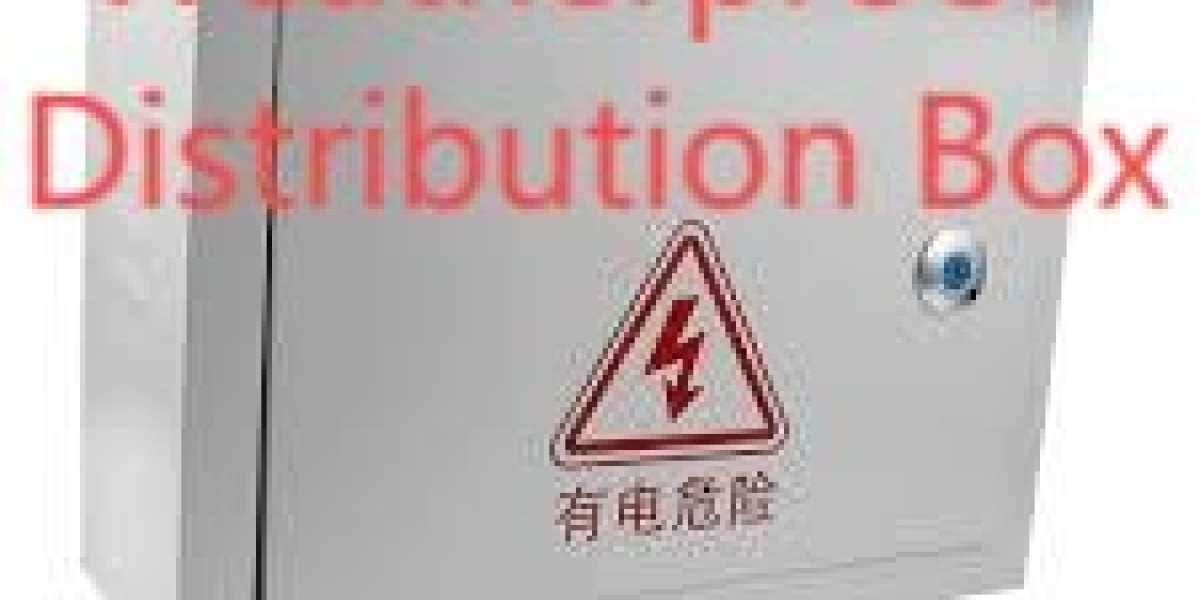

Reliable outdoor electricity depends on more than cables and breakers; enclosure choice defines safety, continuity, and service life. In exposed installations, planners often center designs around a Weatherproof Distribution Box to protect circuits from rain, dust, and temperature extremes, and the Weatherproof Distribution Box also establishes a clear framework for organized wiring, compliant protection, and efficient maintenance. This article explores practical considerations—from materials and mounting to monitoring and lifecycle planning—to guide engineers, contractors, and facility managers toward dependable outdoor power strategies.
Material Selection And Environmental Resistance
Outdoor enclosures must withstand a range of stresses without degrading. Material choice balances corrosion resistance, mechanical strength, and weight. Aluminum alloys offer strong impact resistance and excellent heat dissipation, while stainless steel excels in coastal or chemical environments. UV-stable polycarbonate provides lightweight durability where metal is impractical. Gaskets are equally important; silicone or EPDM compounds resist ozone and compression set, preserving seals through seasonal temperature swings. Captive fasteners and reinforced hinges prevent wear from frequent access, keeping protection levels consistent over time.
Internal Architecture And Circuit Organization
A thoughtful internal layout reduces installation time and future service costs. Removable mounting plates and standardized DIN rails allow flexible circuit configurations without modifying the enclosure shell. Clearly labeled terminals, generous wire bend radii, and integrated cable channels help installers route conductors cleanly, minimizing strain and heat buildup. Interior diagrams fixed to the door speed troubleshooting and reduce the risk of wiring errors during upgrades or repairs.
Thermal Management And Load Planning
Heat is a silent adversary of electrical reliability. Passive measures—light-colored finishes, internal heat spreaders, and shaded mounting—reduce solar gain. For higher loads, filtered ventilation or pressure-equalizing vents maintain internal temperatures without compromising sealing. Positioning heat-generating components away from direct sunlight and providing airflow paths inside the enclosure extend component life and prevent nuisance tripping during peak demand.
Installation Methods And Mounting Strategies
Correct installation preserves rated performance. Surface-mounted enclosures simplify retrofits by avoiding wall cavities, while pole or pedestal mounts serve remote lighting and infrastructure. Use flat, reinforced mounting surfaces and torque fasteners to specification to prevent distortion that can compromise seals. Where enclosures bridge indoor and outdoor spaces, maintain continuous bonding and seal transitions to prevent moisture migration along cables.
Nante Outdoor Distribution Practices
Accessory selection adapts enclosures to varied sites. Weather hoods, lockable covers, gland plates, and drainage kits allow a single enclosure type to meet diverse requirements while preserving protection ratings. Using manufacturer-recommended accessories ensures compatibility and maintains declared performance. Locking options and tamper-resistant fittings add security in public or unattended locations.
Maintenance Planning And Diagnostics
Preventive maintenance reduces downtime and lifecycle costs. Schedule seasonal inspections for gasket integrity, fastener tightness, and signs of moisture ingress. Annual torque checks on terminals and thermal imaging during planned outages identify emerging issues before failure. Keep consumables—gaskets, filters, and sacrificial fuses—on hand to shorten repair cycles. Modular internals enable quick swaps, keeping systems operational with minimal disruption.
Retrofit Considerations And Future Readiness
Upgrades often prioritize minimal disruption. Surface-mounted solutions reuse existing conduit runs, cutting labor and downtime. Evaluate grounding and bonding during retrofits; improved enclosures cannot compensate for degraded earthing. Future-ready designs allow phased enhancements such as monitoring sensors or additional circuits without replacing the housing, spreading capital costs while improving reliability incrementally.
Sustainability And Compliance
Sustainable choices extend beyond energy use. Recyclable materials, repairable components, and low-VOC finishes reduce environmental impact across the product lifecycle. Ensure compliance with regional codes and standards, and specify corrosion-resistant finishes or sacrificial protection in aggressive environments. Elevated mounting and removable covers support rapid recovery after severe weather events.
Conclusion: Durable Design With Long-Term Value
Outdoor power reliability comes from coordinated choices in materials, layout, thermal strategy, and maintenance planning. By prioritizing modularity, clear organization, and preventive care, operators achieve safer systems with lower total ownership costs. For in-depth guidance on features, applications, and future trends in outdoor distribution enclosures, visit https://www.nante.com/news/industry-news/weatherproof-distribution-boxes-features-applications-future-trends-and-more.html