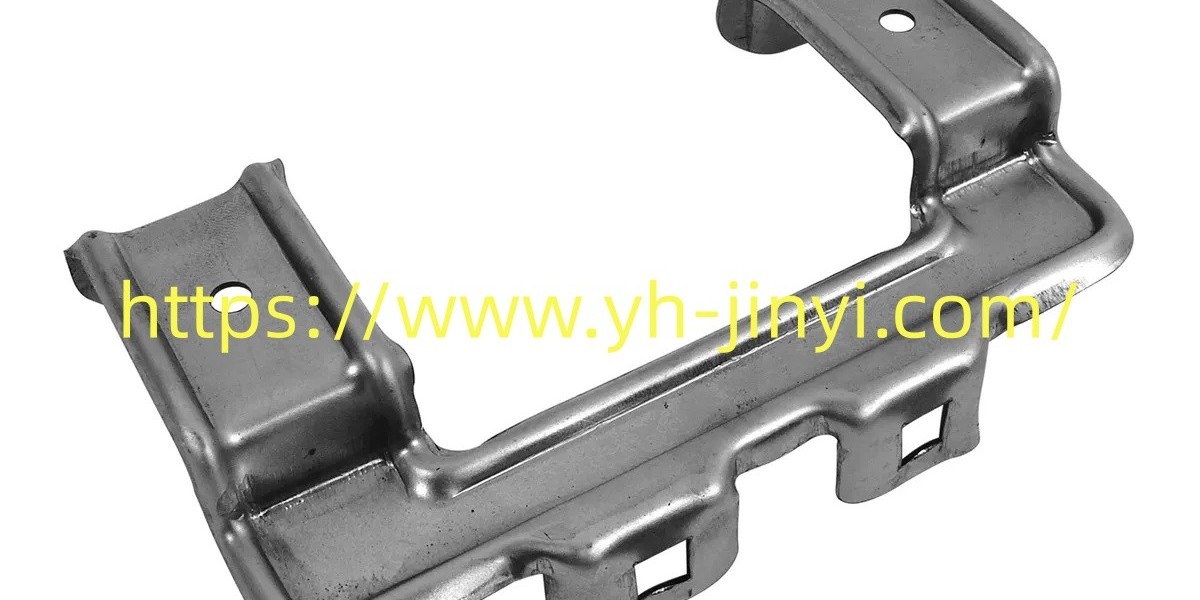

Radiator Mounting Bracket Factory quality control starts long before production begins, especially when buyers expect consistent dimensions, reliable strength, and stable installation performance across different batches. For manufacturers serving plumbing and heating markets, controlling quality during production is not a single step but a structured system that connects materials, processes, and inspection routines.
Material selection and incoming inspection
Quality control begins with raw material sourcing. Steel thickness, surface condition, and coating compatibility all affect the final bracket performance. Factories usually define clear material standards and verify each batch through visual checks and basic measurements before it enters the production line. This step helps reduce downstream issues such as deformation during forming or uneven coating results after surface treatment.
Process control during forming and welding
Once materials enter production, forming and welding processes become key control points. Pressing tools must be regularly checked to maintain stable dimensions, especially for mounting holes and load bearing sections. Welding parameters such as current, joint alignment, and weld length are often monitored to reduce variations that may affect installation stability. These controls help ensure brackets fit properly on walls or radiator frames without forced adjustments on site.
In process inspection and sampling
Instead of waiting until final inspection, many factories integrate inspection steps during production. Sampling at fixed intervals allows operators to identify trends such as gradual tool wear or alignment shifts. Early detection limits waste and avoids large scale rework. This approach also supports smoother delivery schedules, which buyers often value as much as product consistency.
Surface treatment and finishing checks
Surface treatment plays a role in corrosion resistance and appearance. Coating thickness, adhesion, and coverage are commonly checked after plating or painting. Minor surface issues can signal deeper process problems, so finishing inspection is often linked back to earlier production stages. This feedback loop helps factories adjust parameters without disrupting overall output.
Documentation and traceability
Consistent quality relies on clear records. Production logs, inspection reports, and batch tracking allow manufacturers to trace issues back to specific materials or processes. This system supports communication with buyers when technical questions arise and helps maintain steady standards across repeated orders. JINYI applies structured documentation practices to support transparent cooperation with partners across different markets.
Training and operator awareness
Machines alone do not control quality. Operator training ensures production teams understand tolerance limits, inspection points, and corrective actions. Regular skill refreshment helps reduce human related variations and supports stable workflow during busy production periods.
Final inspection and shipment preparation
Before shipment, final checks confirm dimensional accuracy, surface condition, and packaging suitability. Proper packaging prevents deformation during transport and protects surface finishes. This final step connects production quality with delivery performance, completing the control loop.
Quality control in radiator mounting bracket manufacturing is a continuous process shaped by material management, process monitoring, and consistent inspection. Buyers seeking stable cooperation often look beyond certificates and focus on how factories manage daily production details. For those evaluating manufacturing partners, structured production systems and transparent practices remain key decision factors. Relevant product information can be viewed at https://www.yh-jinyi.com/product/