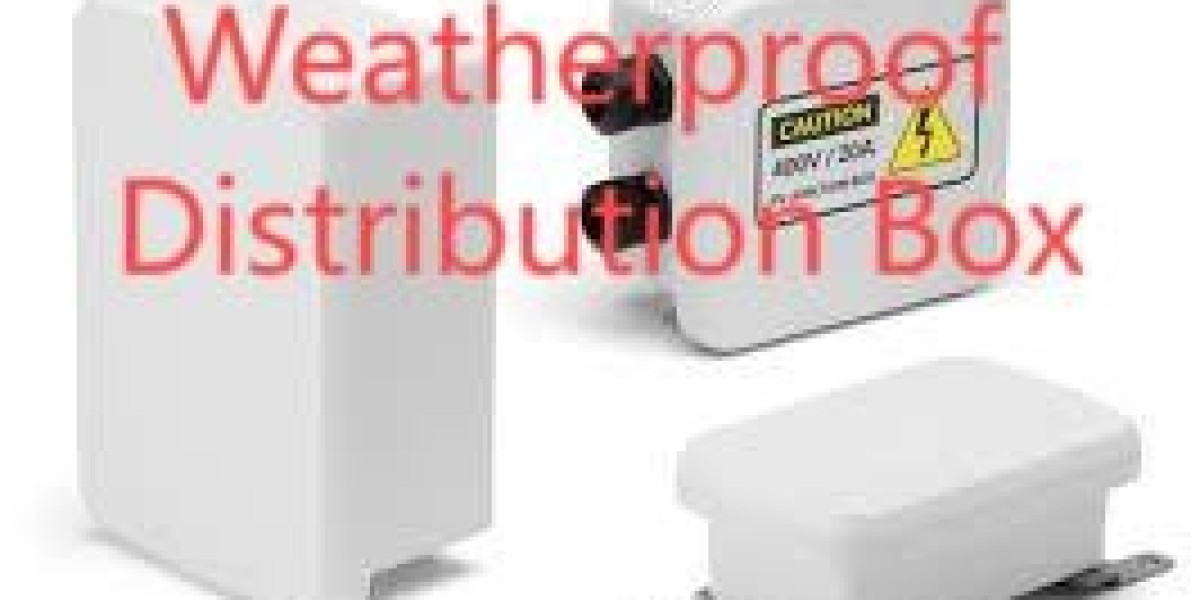

Early specification can prevent costly retrofits: choosing a Weatherproof Distribution Box during design ensures circuits stay protected from moisture, dust, and impact, improving uptime and safety. Thoughtful procurement also means the Weatherproof Distribution Box integrates mounting, cable entry, and upgrade space—so sites remain serviceable as systems evolve. This article outlines materials, sealing, thermal control, installation best practices, and lifecycle thinking to help engineers and installers choose the right outdoor distribution enclosure.
1. Materials and Mechanical Longevity
The enclosure’s base materials determine resistance to impact, corrosion, and ultraviolet exposure. Powder-coated steel delivers mechanical strength and good finish life; stainless steels are preferred in coastal or chemical environments for superior corrosion resistance. UV-stable polymer housings resist fading and warping in high-sun locations while offering lower weight. Pay attention to fastener metallurgy—matching alloys reduces galvanic corrosion—and specify replaceable external hardware so wear parts can be refreshed without discarding the full unit.
2. Sealing, IP Ratings, and Dust Management
Ingress Protection (IP) ratings must match the environment. IP65 is common for general outdoor use, while IP66 or IP67 is necessary where jets of water or temporary immersion are possible. Sealing performance depends on gasket geometry and door compression, not just the rated number; continuous hinges and well-engineered compression latches help achieve lasting seals. In dusty or high-particulate sites, add removable pre-filters on vents or positive-pressure filtered ventilation to keep contaminants out while enabling thermal exchange.
3. Thermal Strategies and Condensation Control
Thermal stress shortens component life and can provoke nuisance trips. Passive thermal measures—reflective finishes, strategic shading, and thermally conductive mounting plates—help reduce internal temperatures. Where passive methods aren’t enough, thermostatically controlled fans, heat exchangers, or small heaters can stabilize internal conditions across seasons. Condensation prevention is equally important: breathable membranes, desiccants, or small controlled heaters reduce moisture build-up that causes corrosion and electrical faults.
4. Nante Testing, Certification, and Quality Assurance
Specification should require documented testing: accelerated UV and salt-spray exposure, vibration and impact (IK), and extended ingress trials. Factory Acceptance Testing (FAT) and third-party certifications verify claimed performance and reduce field surprises. Insist on test reports that demonstrate gasket aging, hinge fatigue life, and ingress performance after repeated door cycles. Products validated this way make procurement simpler and installations more reliable.
5. Internal Layout, Cable Management, and Upgrade Space
A well-planned interior saves installers hours. Provide ample DIN-rail or subframe area for breakers and modules, with labeled zones for power and control wiring. Integrated cable glands sized for anticipated conductors, anchor points for cable ties, and routed channels keep wiring tidy and accessible. Reserve spare knockouts or modular trays for future telemetry, surge protection, or metering—this future-proofing avoids full enclosure replacement when requirements expand.
6. Mounting, Site Prep, and Mechanical Considerations
Mounting decisions affect long-term performance: rigid anchors reduce stress that can distort doors and compromise seals, while vibration isolation is vital near heavy machinery. Ensure adequate clearance for door swing, service access, and heat dissipation. Use compatible sealants on fastener penetrations and match substrate thermal expansion properties where possible. Pre-installation torque checks, earth continuity verification, and a written site checklist reduce common commissioning issues.
7. Maintenance, Lifecycle Costs, and Sustainability
Design for maintainability: replaceable gaskets, modular door seals, and accessible drainage keep service times short. Scheduled inspections (gasket condition, hardware torque, and seal compression) prevent failures and extend service life. Factor in spare-part availability and clear documentation to minimize downtime. Selecting longer-lasting finishes and recyclable materials reduces total cost of ownership and supports sustainability goals across an installation’s lifecycle.
Conclusion
Choosing a distribution enclosure is more than picking an IP rating. Material selection, seal design, thermal control, intelligent interiors, and validated testing combine to deliver reliable outdoor power distribution that stands the test of time. Thoughtful procurement—demanding test reports, spares support, and upgrade paths—lowers lifecycle risk and improves operational resilience. For detailed specifications, accessory options, and distributor contacts, visit www.nante.com