
Heading out to cook under the open sky can be one of the sweetest parts of any outdoor trip, but a little caution goes a long way when you.re handling heat far from conveniences. If you plan to bring a portable unit such as a Camping Grill And Stove on your next trip, prioritize simple safety practices so a cozy meal stays just that — not a hazard. With more people stepping into the outdoors and parks issuing seasonal restrictions, smart preparation keeps you and the landscape safe.
Pick your spot carefully. Set your stove on a level, nonflammable platform away from dry grasses, low branches, and tent fabrics. Many land managers advise using established cooking areas when available and keeping any heat source several feet from flammable materials. A stable surface prevents tipovers and accidental fuel spills that lead to fast moving fires.
Know the local rules and the current fire restrictions before you light anything. During times of elevated fire danger many public lands recommend or require alternatives to open campfires and may limit what fuels or devices are allowed. Checking in with park notices or ranger stations will save you from fines and reduce the risk of starting a wildfire.
Handle fuel responsibly. Keep fuels and canisters sealed and stored away from your cooking area and inside a cool container in your vehicle or pack. Never refill a hot stove or place pressurized cans near flames. If your stove uses liquid fuel, wipe up drips immediately and follow the manufacturer instructions for filling and lighting. These habits cut the chance of flare ups and uncontrolled spills.
Cook with attention. Never leave a lit stove unattended and avoid using your stove inside enclosed spaces like tents or vehicles due to carbon monoxide risk. When frying, watch for splatter and keep an ABC fire extinguisher or other extinguishing method within reach. When possible, cook on a low steady flame rather than high, aggressive heat, and keep flammable items such as paper or dry kindling well away.
Wind is a silent danger. Even a modest gust can push flame toward a fuel line or cause instability. Use a purpose built windscreen if the manufacturer recommends one and position your stove so that wind cannot blow directly through the flame. If conditions are very windy, consider delaying cooking until it calms or using a sheltered location that remains ventilated.
Always extinguish fully. After cooking, allow the stove to cool completely before packing. Check the area for embers and treat any spilled fuel or ash as a potential hazard until it is cold to the touch. Practicing Leave No Trace principles means leaving the spot as you found it and reducing risks for future visitors.
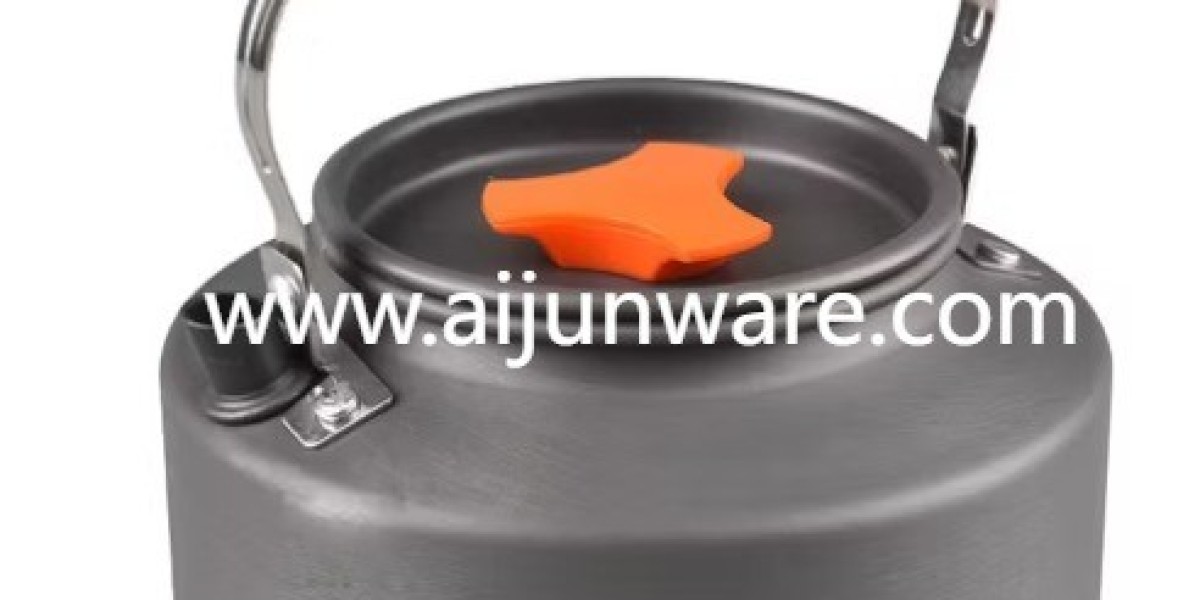
Choosing gear thoughtfully helps too. Look for compact, sturdy units with stable bases and straightforward fuel systems. The right combination of reliability and ease of use reduces mistakes when you are tired or it.s dark. For a selection of portable stoves and outdoor cookware designed for mindful camp cooking, visit www.aijunware.com for options that favor practical safety and thoughtful design.