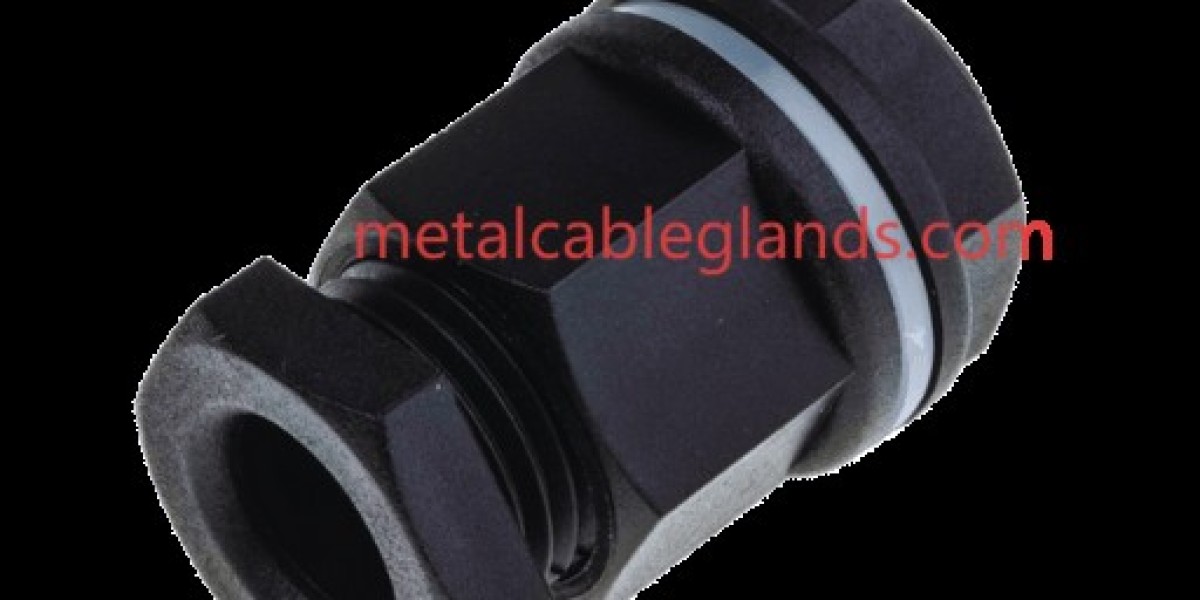

Modern telecommunication networks are increasingly pushed into extreme environments, from mountain-top relay stations to coastal 5G small cells, where temperature swings, salt spray, and constant vibration threaten cable integrity. In these challenging settings, the Plastic Cable Gland has become the preferred solution for engineers who need both robust environmental sealing and electrical safety without the weight or conductivity risks of metal. Zhejiang Hongjuesi Connector has refined its nylon-based glands to deliver IP68 and even IP69K protection while remaining lightweight and corrosion-proof for decades of exposure.
One of the biggest advantages in telecom deployments is the non-conductive nature of high-performance polyamide. When antennas and remote radio units are mounted on steel towers, metallic glands can create unwanted ground paths or galvanic corrosion points. The Plastic Cable Gland, however, eliminates these risks entirely. A single tower may carry dozens of feeder cables, RF jumpers, and fiber optic lines; each entry point sealed with a properly torqued plastic gland prevents water tracking along the cable jacket that could otherwise reach sensitive transceivers hundreds of feet above ground. Field reports from Nordic operators show that towers equipped with quality plastic glands experience 80% fewer water-ingress faults during winter freeze-thaw cycles compared to older rubber grommet solutions.
Offshore wind farms present an even more aggressive environment, where cables exit nacelles 100 meters above sea level and face continuous salt mist and 150 km/h gusts. Traditional stainless-steel glands often seize after a few years due to pitting, making future maintenance almost impossible without cutting cables. In contrast, UV-stabilized and halogen-free plastic glands from Zhejiang Hongjuesi Connector maintain their clamping force and sealing integrity for over 25 years under IEC 61400-22 corrosion testing. The wide clamping range of these glands also accommodates the thicker, double-armored power cables used between the tower base and onshore substations, reducing the number of different gland sizes technicians must carry during expensive vessel-based service campaigns.
In large ground-mounted solar plants across the Middle East and North Africa, extreme diurnal temperature shifts from -5 °C at night to over 70 °C on panel surfaces cause repeated thermal expansion and contraction of cable insulation. Poorly sealed junction boxes quickly develop micro-cracks that allow fine desert sand to infiltrate and abrade conductors. Engineers now specify plastic cable glands with integrated O-rings and multiple sealing lips that maintain compression even after thousands of thermal cycles. The low thermal conductivity of polyamide further reduces heat transfer into the enclosure, helping keep internal electronics below their maximum operating temperature and extending inverter lifespan by several years.
Battery energy storage systems supporting both telecom base stations and grid-scale renewables introduce another layer of complexity: high DC voltages and the need for rapid deployment. Plastic glands rated for 1,000 V DC and above provide the necessary creepage and clearance distances while allowing pre-terminated cables to be fed through walls of containerized battery racks in minutes rather than hours. Their snap-in locking mechanism eliminates the need for locknuts on the inside of enclosures, which is a major time-saver when hundreds of penetrations must be sealed during factory integration.
The growing intersection of telecom and renewable infrastructure—such as private 5G networks controlling solar tracking systems or edge data centers powered entirely by on-site wind and solar—demands components that perform reliably across both sectors. A single failure in cable sealing can cascade into lost revenue measured in thousands of dollars per hour. Choosing plastic cable glands engineered specifically for wide temperature ranges, chemical resistance, and long-term UV stability removes a critical point of weakness from these hybrid systems.
Maintenance teams particularly appreciate the color-coded strain relief inserts and clearly marked torque values molded into each gland body. These small details prevent over- or under-tightening in the field, which is the primary cause of seal failure regardless of material. When a remote site visit costs tens of thousands of dollars, getting the installation right the first time is not optional—it is mandatory.
For project managers and installers who refuse to compromise on long-term performance in harsh environments, partnering with a manufacturer that understands both telecom and renewable requirements is essential. Detailed product specifications, third-party test reports, and custom solutions are readily available at https://www.metalcableglands.com from Zhejiang Hongjuesi Connector.