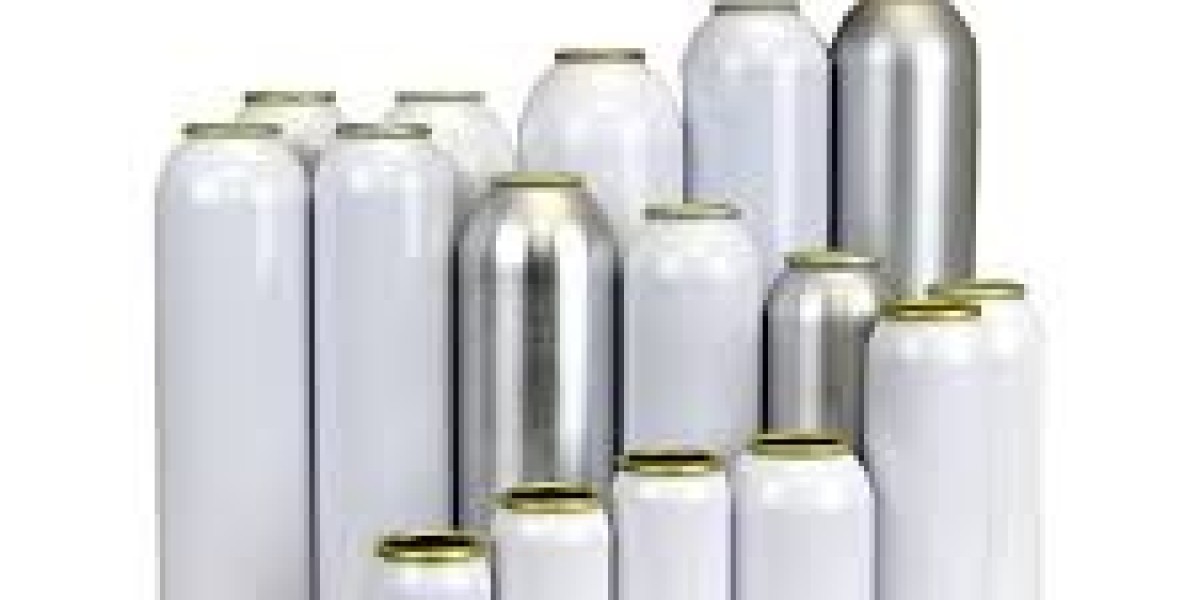

When a packaging choice reduces material steps, speeds production, and lowers handling risk it adds straight to the bottom line — which is why a thoughtful Two-Piece Aerosol Can selection can matter more than you expect. The two piece format uses a seamless body and a single lid component, removing side seams and simplifying assembly. That streamlined form translates into fewer assembly stages, more consistent wall geometry, and less chance of seam related defects that trigger rework or returns. For procurement and operations teams, those differences mean lower per unit handling costs and fewer surprises on the line.
Manufacturing efficiency is the first area where savings show up. The two piece approach forms the body from a single sheet and then applies a lid or top, which reduces the number of separate parts and the labor steps needed to join them. Fewer parts mean faster cycle times and simpler tooling, and that often lowers production overhead in both labor and machine time. When production runs scale, the cumulative effect of trimmed assembly steps reduces unit cost without asking for exotic materials or radical process changes.
Material economy is another practical benefit. Because two piece bodies are drawn and ironed from a single blank, sidewall thickness can be controlled with minimal scrap compared with multi piece bodies that generate more cutting waste and require extra sealing materials. That efficient metal use not only cuts raw material bill but also lowers the amount of waste material that needs handling, storage, or recycling before it leaves the plant. For companies that run many production cycles, small material savings per can become meaningful savings across the program.
Seamless construction also improves product integrity. Without a side seam there are fewer potential weak points exposed to internal pressure or to corrosive contents. That translates into a lower rate of seam related rejects and fewer customer complaints about leaks or premature failures. Fewer rejects mean less waste to dispose of and less labor spent on rework or inspection, all of which reduces operating cost and protects brand reputation at retail and in the field.
Logistics and transport savings are often overlooked but important. Two piece cans can be lighter and more uniform, which streamlines pallet packing and reduces handling complexity in warehouses. Consistent shapes and less variance between parts reduce packing damage from jagged edges or misaligned seams during transit. That stability cuts the incidence of damaged goods on arrival and lowers emergency replacement shipments — a recurring operational cost for many sellers.
Printing and finishing benefits also contribute to value. The smooth continuous surface of a two piece body is well suited to modern printing techniques and high quality finishing with fewer registration errors across joints. That makes it easier to present consistent branding without extra masking or registration adjustments used to hide seam transitions. A cleaner production run of decorated cans reduces rework in printing and gives marketing teams a reliable on shelf look without additional expense.
Recycling and end of life considerations feed back into corporate sustainability metrics and cost. Two piece cans are readily compatible with established recycling flows for the metals commonly used in aerosol packaging, which eases waste handling for large volume users and retail partners. When a manufacturer can show that used cans enter a familiar recycling stream, downstream waste processing is simplified and material recovery becomes more predictable — turning used packaging into a manageable input rather than a costly disposal problem. That reclaimability matters to companies aiming to reduce waste handling costs while meeting stakeholder expectations on circular practices.
Quality control gains from simpler geometry too. With fewer joints to inspect, inspection cycles focus on a smaller set of critical dimensions and tests, which reduces the time and complexity of lot acceptance at both supplier and buyer sites. When incoming inspection is faster and more certain, production lines spend less time waiting on parts and more time running. That improved flow reduces inventory carrying costs and shortens the elapsed time from order to fulfillment, which is a real operational advantage for seasonal or promotional campaigns.
Design flexibility that lowers total cost of ownership should not be ignored. Two piece cans support a wide range of finishes, inner coatings and valve assemblies without the complications that seam welding or multi piece joins introduce. That compatibility simplifies changeovers between product variants and reduces the need for custom fixtures that add cost. For product teams that introduce multiple SKUs, working with a can style that adapts easily across variants cuts tooling and validation expenses.
Finally, risk reduction translates into financial smoothing. Fewer damaged units in transit, fewer quality exceptions on the line, and a more predictable recycling path all reduce unpredictable charges that strain operating budgets. Choosing packaging that simplifies manufacturing and logistics lets procurement teams lock in steadier costs, while engineering and quality can focus on product performance rather than fighting seams and fitment issues. Over time, that steadying effect on operations builds a measurable return on what might initially look like a small design choice.
If your company is reviewing packaging choices consider the production, material and logistics implications as part of total cost of ownership rather than as discrete line items. In many programs the two piece form delivers lower handling costs, simpler quality control, and clearer recycling pathways — all of which flow to the bottom line without sacrificing shelf appeal or performance. Smart specification and a partner that understands forming, finishing and protective packing will help you capture those savings during both pilot and scaled production. To review component options, production notes and handling guidance for different aerosol families visit the product collection and technical pages at the manufacturer area: https://www.bluefirecans.com/product/ .