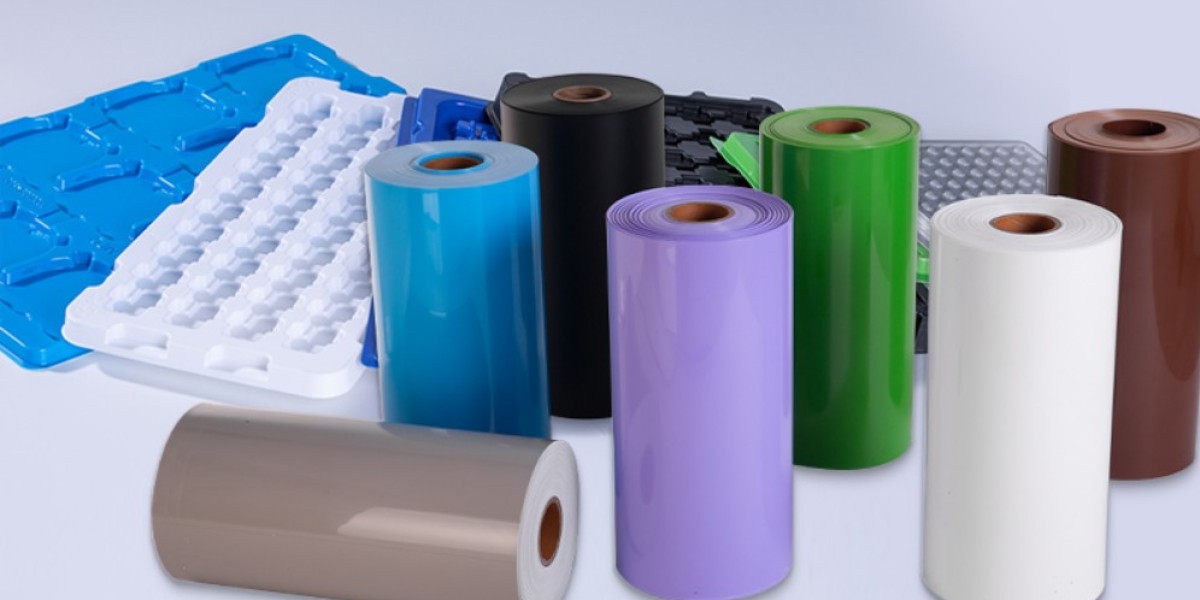

Polystyrene-based materials with specialized electric properties such as PS Black Conductive and Clear Antistatic PS have become increasingly relevant for manufacturers and engineers working with sensitive electronics and advanced packaging applications. Users frequently search for answers about static control, processing concerns, and how these materials differ from standard polystyrene.
One common user concern is why conductive polystyrene is necessary at all. Standard PS is an electrical insulator, which means it naturally holds static charges and attracts dust — a serious issue in environments where electrostatic discharge (ESD) can damage components. To address this, manufacturers introduce conductive fillers like carbon-based compounds into the PS resin. These fillers create a network that allows charges to dissipate, significantly reducing the likelihood of charging and discharges during use.
Another frequent question revolves around the appearance and characteristics of these materials. For example, PS Black Conductive often contains carbon black or other conductive additives, which not only provide static dissipation properties but also give the material its black color. While additives improve performance, the balance between conductivity and aesthetic or mechanical properties remains a key consideration. Users want to understand how much filler to add to meet specific surface resistivity targets without degrading processability.
In contrast, Clear Antistatic PS refers to polystyrene that has been modified — often with transparent antistatic additives — so that it maintains optical clarity while offering charge-control functionality. These materials are sought in applications where visibility and static protection are both critical, such as packaging transparent housings or displays. Achieving stable antistatic behavior without affecting clarity is challenging, and users frequently ask about long-term effectiveness and performance across a range of environmental conditions.
Processing concerns are another frequent topic in user forums. Users want to know whether conductive or antistatic PS materials require special drying, molding temperatures, or feedstock handling compared to conventional PS. While typical extrusion and injection conditions still apply, the presence of functional additives can influence melt flow and dispersion behavior, which in turn can affect product quality if not properly managed.
In summary, users care most about static control performance, visibility, and how additives affect manufacturing outcomes — all of which are central to choosing the right polystyrene solution for their application.