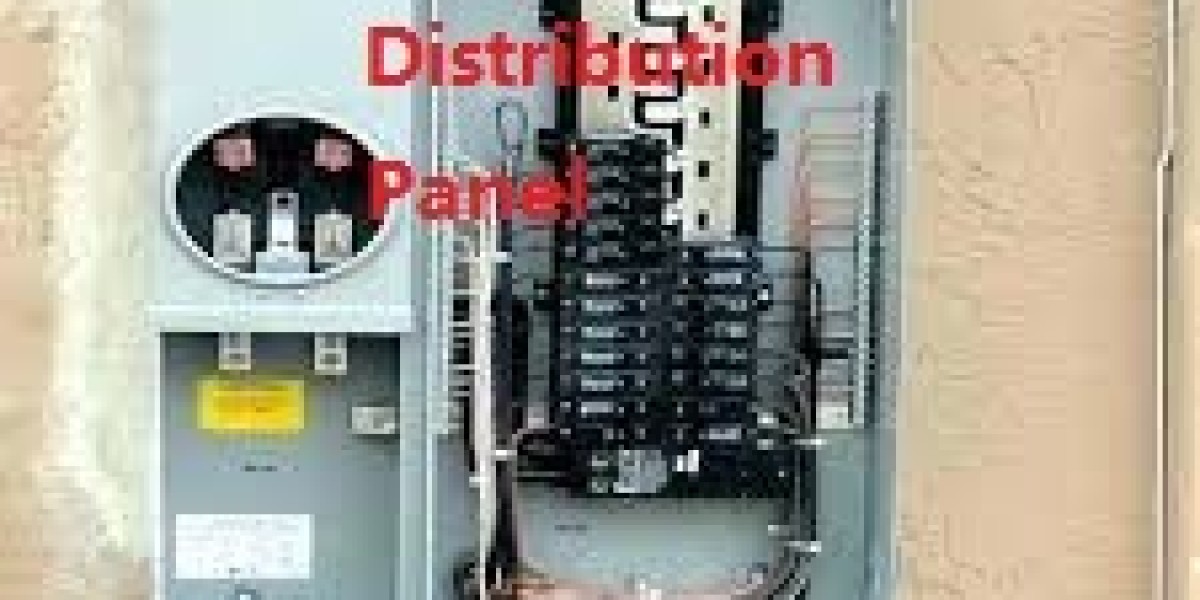

Specifying a robust outdoor power node starts with the right Outdoor Electrical Distribution Panel , because site conditions and load profiles determine enclosure selection, internal layout, and protective device choices. For both temporary sites and permanent installations, the correct Outdoor Electrical Distribution Panel balances ingress protection, accessibility for technicians, and coordinated electrical protection so systems run safely and predictably.
Design considerations for exterior distribution
Outdoor distribution enclosures must address moisture, dust, UV exposure, and mechanical impact without becoming cumbersome to install. Key layout choices include where to place main breakers, subfeed lugs, and terminal blocks so that routine service can be performed without full disassembly. Adequate clearance for cable bending radii and space for future expansion should be considered at specification time to avoid costly retrofits.
Materials, protection ratings, and corrosion control
Select enclosure materials that match environmental aggressors: stainless steel or powder-coated steel for mechanically demanding sites, and fiberglass or polymer composites where corrosion resistance and dielectric isolation are priorities. IP and NEMA ratings quantify protection — aim for IP66/NEMA 4X in coastal or washdown conditions — and insist on salt-spray test data if the panel will be exposed to marine atmospheres. Fastener and hinge treatments, plus captive hardware, reduce loosening and theft risk.
Electrical layout, safety coordination, and thermal management
A well-organized interior minimizes fault-clearing time and simplifies troubleshooting. Use selective coordination to ensure upstream devices only trip for severe faults while allowing local protection to clear lower-energy events. Thermal considerations matter: tightly packed breakers and transformers need spacing or forced ventilation to prevent derating. If forced-air is used, ensure filtered intakes and thermostatic controls so cooling doesn’t become a contamination pathway.
Installation best practices and practical commissioning
Correct cable entry is a common failure point — use proper glands, conduit adapters, or composite cable-entry systems that preserve the panel’s sealing rating. Bonding and grounding must follow local codes; verify conductor sizing for fault current with measured values during commissioning. Label circuits and components clearly during installation, then perform insulation resistance and polarity checks before energizing. A short commissioning report with test readings speeds future troubleshooting.
Maintenance strategies and remote monitoring
Routine visual inspections detect seal compression loss, condensation, or pest ingress early. Periodic electrical checks — torque verification, contact resistance, and thermal imaging — identify hot spots before they become failures. Integrating simple monitoring such as current sensors, temperature probes, or door-closure status enables condition-based maintenance and reduces emergency call-outs. Planning spare parts (common breakers, gasket kits) and documenting part numbers shortens outage recovery time.
Selecting the right outdoor distribution solution reduces downtime, improves safety, and lowers lifetime costs. Prioritize documented ingress testing, clear internal organization, and maintainable component choices when specifying a field-ready panel. For a technical overview and practical examples of layout, sealing, and trending features in outdoor distribution equipment, see https://www.nante.com/news/industry-news/outdoor-electrical-distribution-panel-nante.html